#550 WHAT HAVE WE BECOME?
FEATURING STORYTELLER AND CURATOR MARC ASNIN
Marc Asnin joins me to talk about ACT 1: A Century in the Making, an ambitious book and exhibition looking at the first twenty-five years of this century through photography. More than 100 photographers, six continents, nine major themes and work by names including Eugene Richards, Platon, David Burnett and Albert Watson. We talk about what those photographs reveal about the first twenty-five years of this century, and what Marc discovered when he began looking at them together as a record of the times we’ve lived through.
We also explore Marc’s own documentary work. Uncle Charlie grew into an almost thirty-year portrait of his uncle and godfather, Charlie Henschke. Final Words collected the last statements of 578 people executed on death row in Texas, later developing into We the People Confess, bringing photography, sound, testimony and historical material together to examine capital punishment.
In the mailbag, Matthies Wesche wonders whether making videos for YouTube is getting in the way of making still photographs. Lauren McClanahan writes about unplugging, younger people and AI, while Phil Ferris has been learning when it’s time to shut doors.
And in Moments, Ed Kashi shares a moment of kindness, and Kai Behrmann remembers a moment when photography changed him.
Email your stories, thoughts, and pictures to the show. If you can optimise/resize photos to 2,500 pixels wide, we'd really appreciate it. If you’d like to support this show and have access to further content and the midweek Extra Mile show, we’d welcome you as an EXTRA MILER. There’s also our Facebook group, a safe place to meet and talk with photographers of all interests, the Photowalk YouTube channel, plus the show is featured on Instagram and Substack.
We’re also supported by our friends at ARTHELPER and DXO.com. Enter PHOTOWALK at checkout to receive special discounts.
LEARN:
MORE ABOUT names, words, THE MUSIC and places FROM TODAY’S SHOW
A friendly reminder: The links on this page will take you to external websites and platforms, and while I only point you towards places I think are worth your time, I have no control over their content and can't be held responsible for whatever you find when you get there.
Join us in Venice for the Venice ‘26 retreat, photographing a city built on water, light, and ritual as winter settles across the lagoon. Together we’ll wander through early-morning markets, quiet canal edges, hidden monasteries, and the weathered backstreets of Castello and Cannaregio, with time to slow down, take photographs, and build creative confidence in a city that reveals itself gently when the crowds disappear. Places limited.
Richard Avedon was an American photographer best known for his fashion work and stark, often large-scale portraits. He worked for Harper’s Bazaar, Vogue and The New Yorker, photographing figures including Marilyn Monroe, Bob Dylan and the Kennedy family. His In the American West series is among his best-known projects.
Art Kane was an American photographer whose work covered music, fashion, editorial and portraiture. His best-known photograph, Harlem 1958 — also known as A Great Day in Harlem — brought together 57 jazz musicians for a remarkable group portrait. He also photographed the Rolling Stones, The Who, Aretha Franklin, Bob Dylan and Janis Joplin.
W. Eugene Smith was an American photojournalist known for deeply researched photographic essays. He photographed the Second World War for LIFE, and later produced landmark projects including Country Doctor, Spanish Village, Pittsburgh and Minamata.
East 100th Street is one of Bruce Davidson’s best-known projects. Beginning in 1966, he spent two years photographing residents of a single block in East Harlem, building relationships with the people who lived there rather than simply passing through. The work became a book in 1970 and was exhibited at New York’s Museum of Modern Art the same year.
Sir Harold “Harry” Evans was one of Britain’s most influential newspaper editors. He edited The Sunday Times from 1967 to 1981, where his investigative teams pursued major stories including a long campaign for compensation for children affected by thalidomide. He later moved to the United States, working in publishing and eventually becoming editor-at-large at Reuters.
David Maisel is an American photographer and artist known particularly for his aerial photographs of landscapes altered by human activity. For nearly four decades he has photographed mines, clear-cut forests, water reclamation sites and other environmental changes. His major bodies of work include Black Maps and The Lake Project, the latter documenting California’s depleted Owens Lake from the air.
Ward 81 is one of Mary Ellen Mark’s best-known documentary projects. In 1976 she spent 36 days living alongside women in a locked psychiatric ward at Oregon State Hospital, photographing their daily lives. The work became a book in 1979, containing 86 black-and-white photographs, and remains an important part of Mark’s photographic legacy.
Stephen Dupont is an Australian documentary photographer and filmmaker whose work has taken him to Afghanistan, Iraq, Rwanda, Sri Lanka and Papua New Guinea. He has photographed Afghanistan since 1993 and survived a suicide bombing there in 2008. His awards include the W. Eugene Smith Grant and a Robert Capa Gold Medal citation, and he has twice served as an Official War Artist for the Australian War Memorial.
Robert Doisneau’s The Kiss by the Hôtel de Ville looks like one of photography’s great spontaneous moments, but the famous 1950 picture was recreated for the camera using a young couple Doisneau had spotted kissing in Paris. The story of how this came to light decades later is almost as interesting as the photograph itself.
Martin Schoeller has photographed people experiencing homelessness in Los Angeles, combining his distinctive close-up portraits with their own words. He has also made a series of portraits of Death Row Exonerees, people sentenced to death in the United States who were later cleared. Both projects use photography to put individual faces and stories to much larger social issues.
MUSIC LINKS: Ziv Moran wrote today's playout song Let the road begin. Music on the show is sourced primarily from Artlist and also features in Michael Brennan’s Spotify playlist GoFoto. For Apple Music users, follow this playlist.
Kelvin Brown’s flickr Photowalk inspired group - join by invite by clicking on to THIS LINK.
THE SHOWPAGE GALLERY
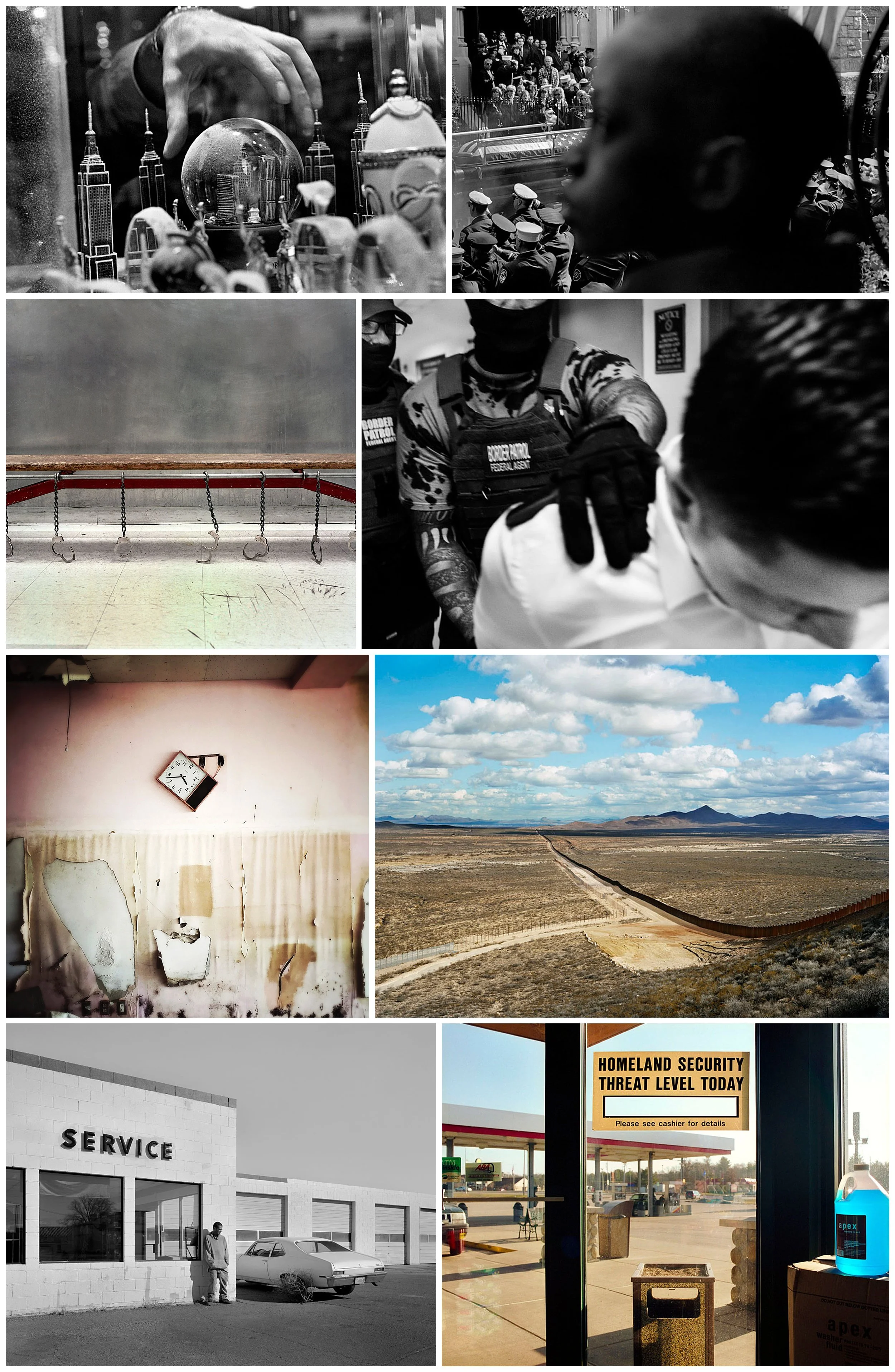
MARC ASNIN: ACT 1
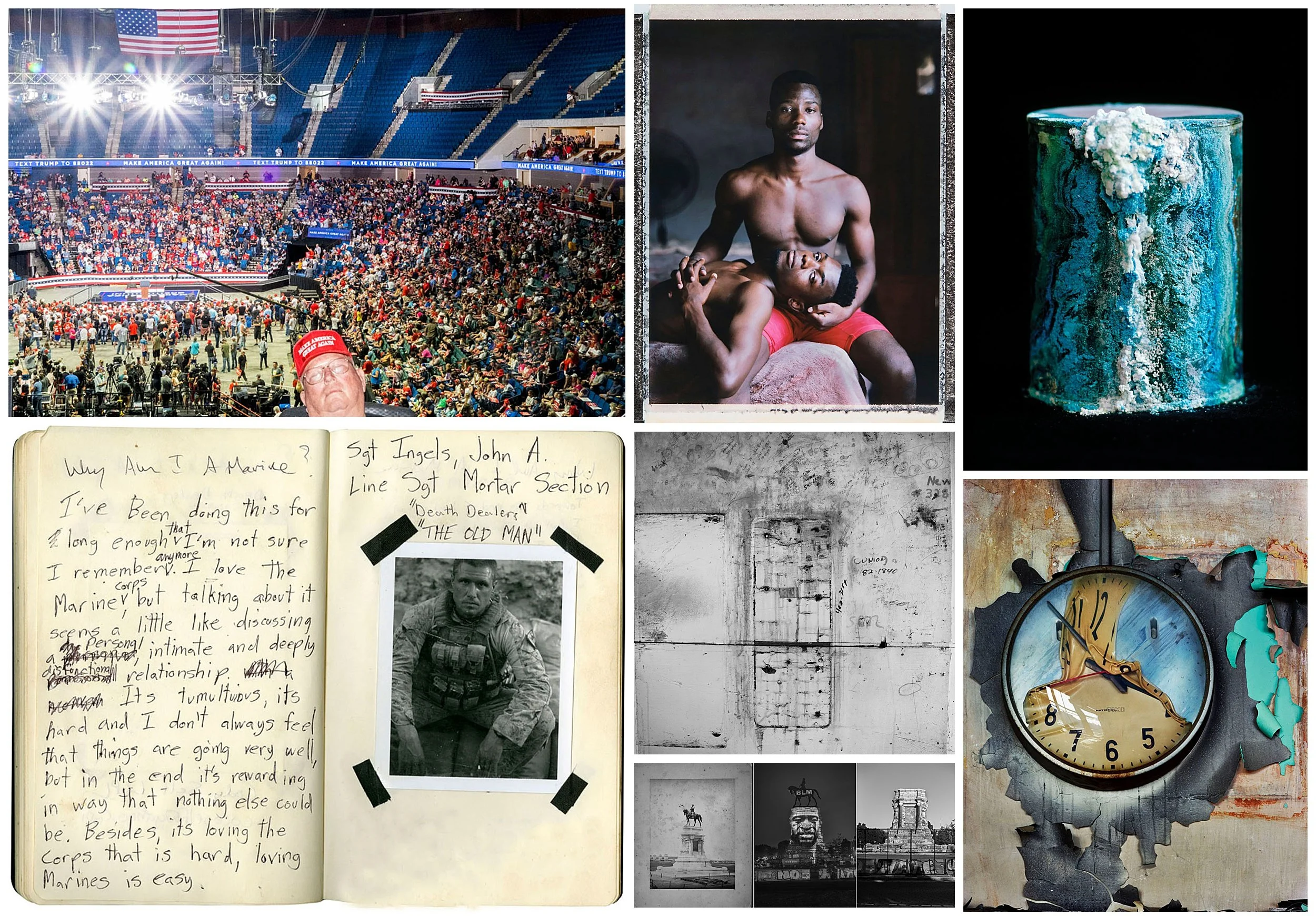
Above and below: Andrew Moore—A warped clock bears witness to the passage of time within the decaying remnants of Detroit’s industrial past. Eugene Richards, Stepping Through the Ashes—a glass globe encases a miniature Manhattan, reflecting post-9/11 uncertainty and vulnerability. Brian Ulrich—The language of homeland security permeates everyday spaces in the years following September 11. Eugene Richards—The funeral of FDNY Tom Fontana reflects the grief and collective mourning that followed September 11. Stephen Dupont—A Marine’s handwritten reflections reveal the personal convictions, doubts, and bonds forged through war. Melissa Lyttle—Three moments trace the reimagining of public memory during the racial justice protests of 2020. Robin Hammond, Where Love Is Illegal—Intimacy and tenderness challenge persecution in this portrait. Peter van Agtmael—A campaign rally reflects the political divisions, grievances, and competing visions shaping contemporary America. Nicolo Filippo Rosso—An immigration raid exposes the human consequences of border enforcement and contested migration policies. Victoria Sambunaris—The U.S.–Mexico border wall reshapes a vast desert landscape marked by division and migration. Q. Sakamaki, Fukushima Nuclear Disaster—A stopped clock hangs inside a damaged building in the aftermath of the Fukushima nuclear disaster, marking a landscape transformed by catastrophe and abandonment. Bryan Schutmaat, Sons of the Living—A solitary figure outside a service garage evokes the dignity and precarity of labor in a changing American landscape. Richard Ross, Hollywood Division, Los Angeles Police Department. Los Angeles, California—Empty handcuffs suspended from a police booking bench reveal how architecture makes authority, confinement, and control physically present. David Maisel, Library of Dust—A corroded copper canister holding unclaimed cremated remains becomes a haunting memorial to lives obscured by institutional neglect. Eric T. Kunsman, Life-Lines—The ghostly outline of a vanished pay phone, surrounded by handwritten numbers, traces the disappearance of a once-essential form of public communication.
LAUREN MCCLANAHAN
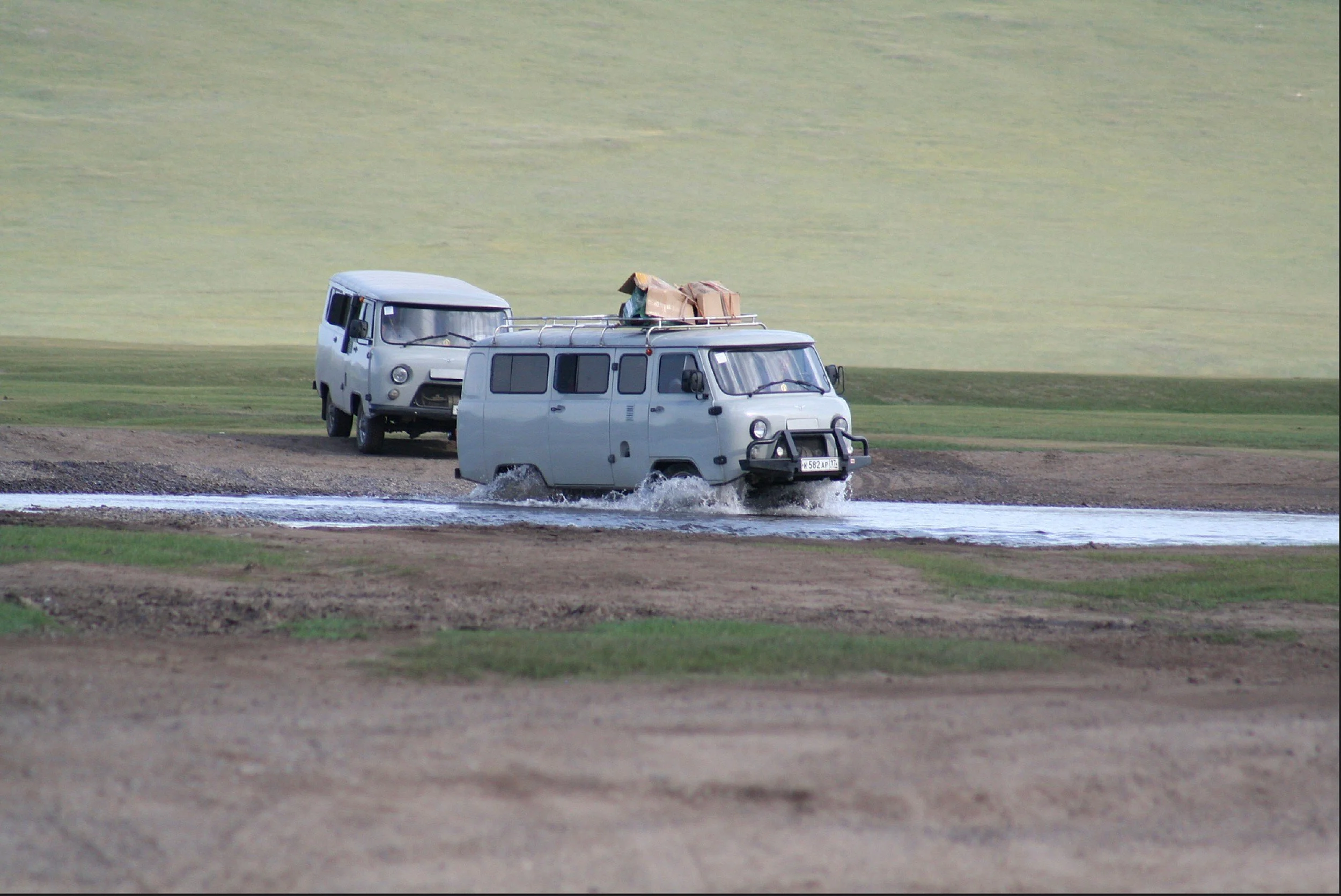
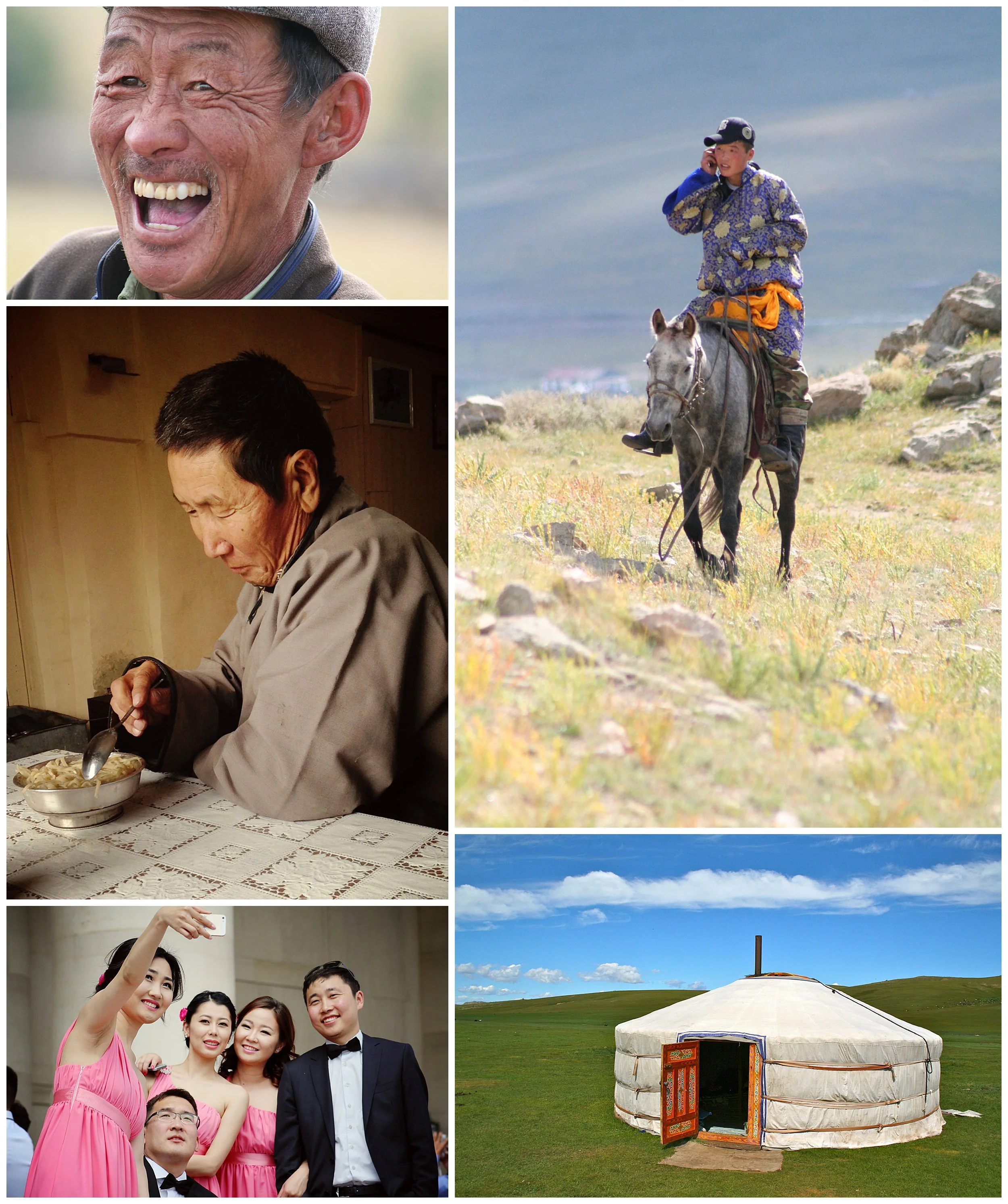
Above UAZs referred to on the show. Below photographs from Lauren’s visit to Mongolia.
MATTHIES WESCHE
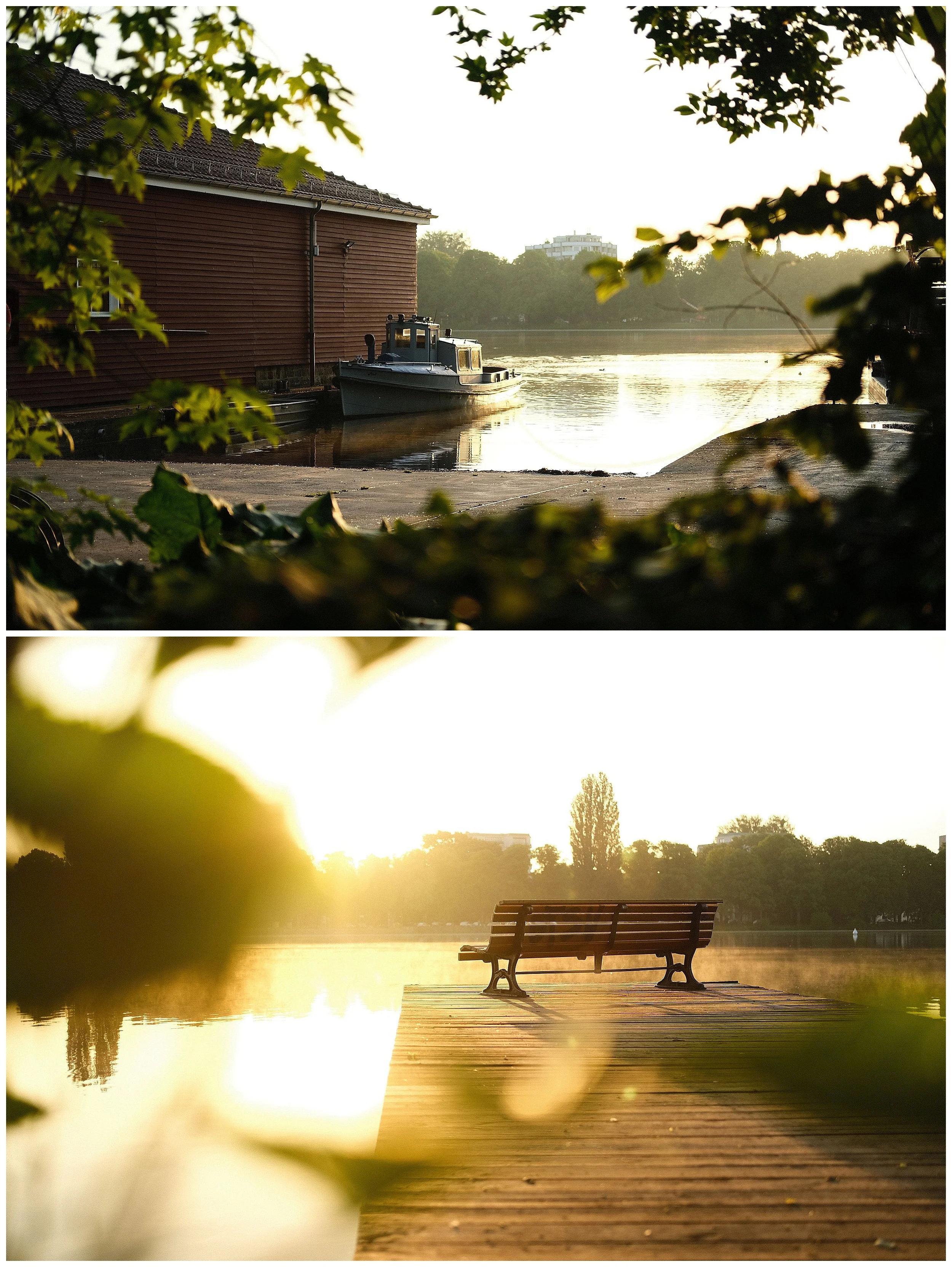
Photographs made on Matthies’ walk featured on the show today.
NEALE JAMES
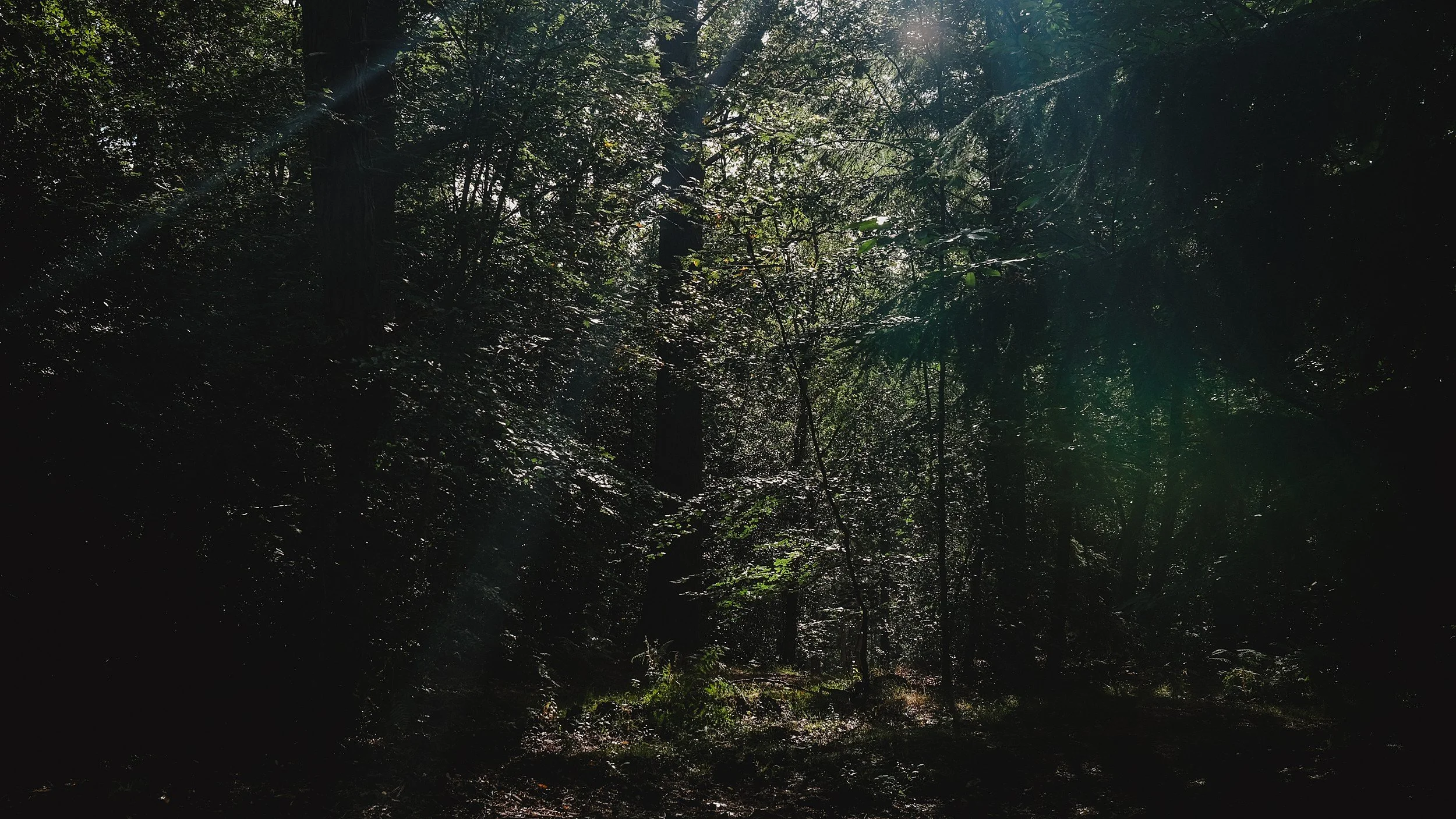
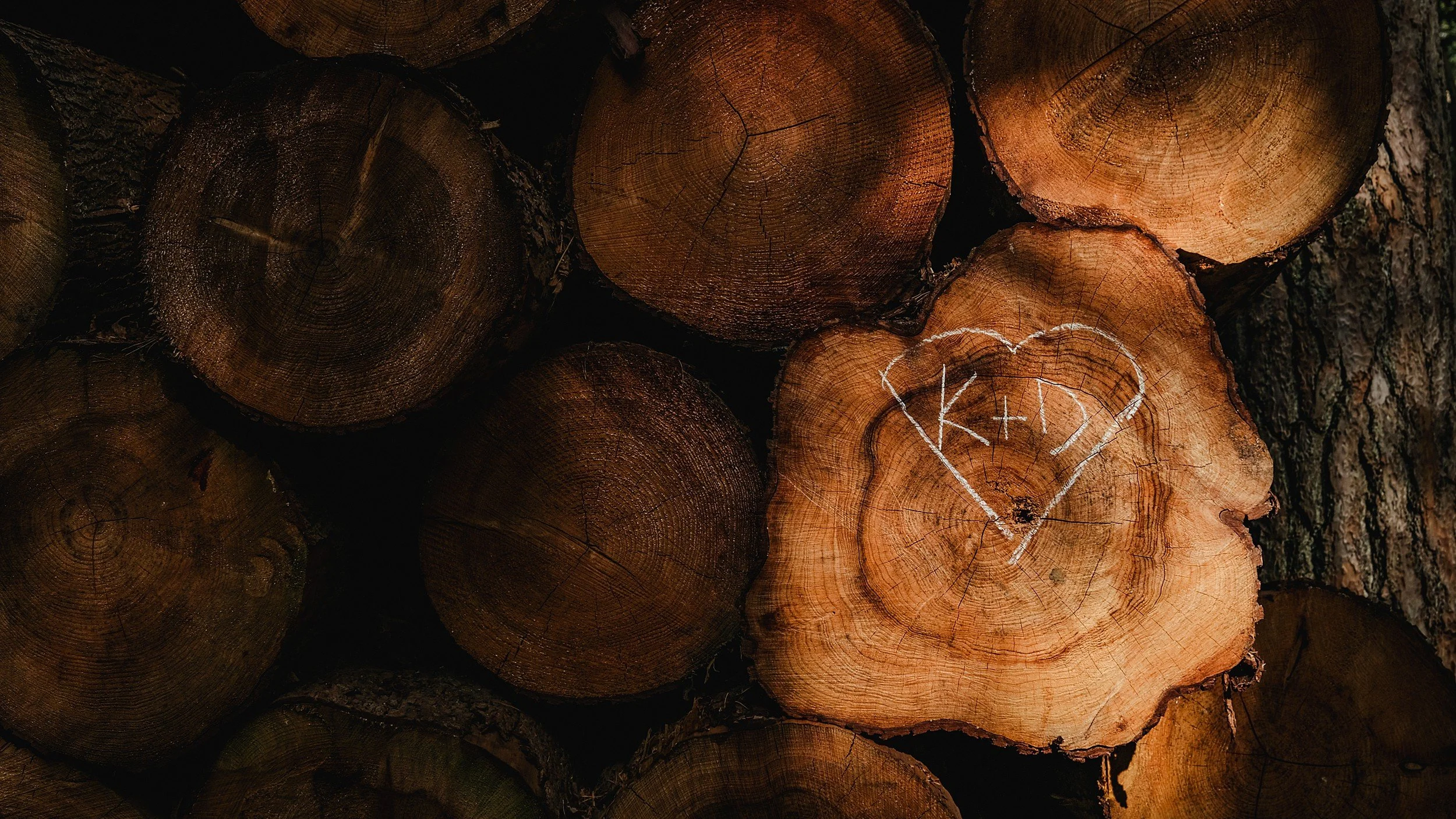
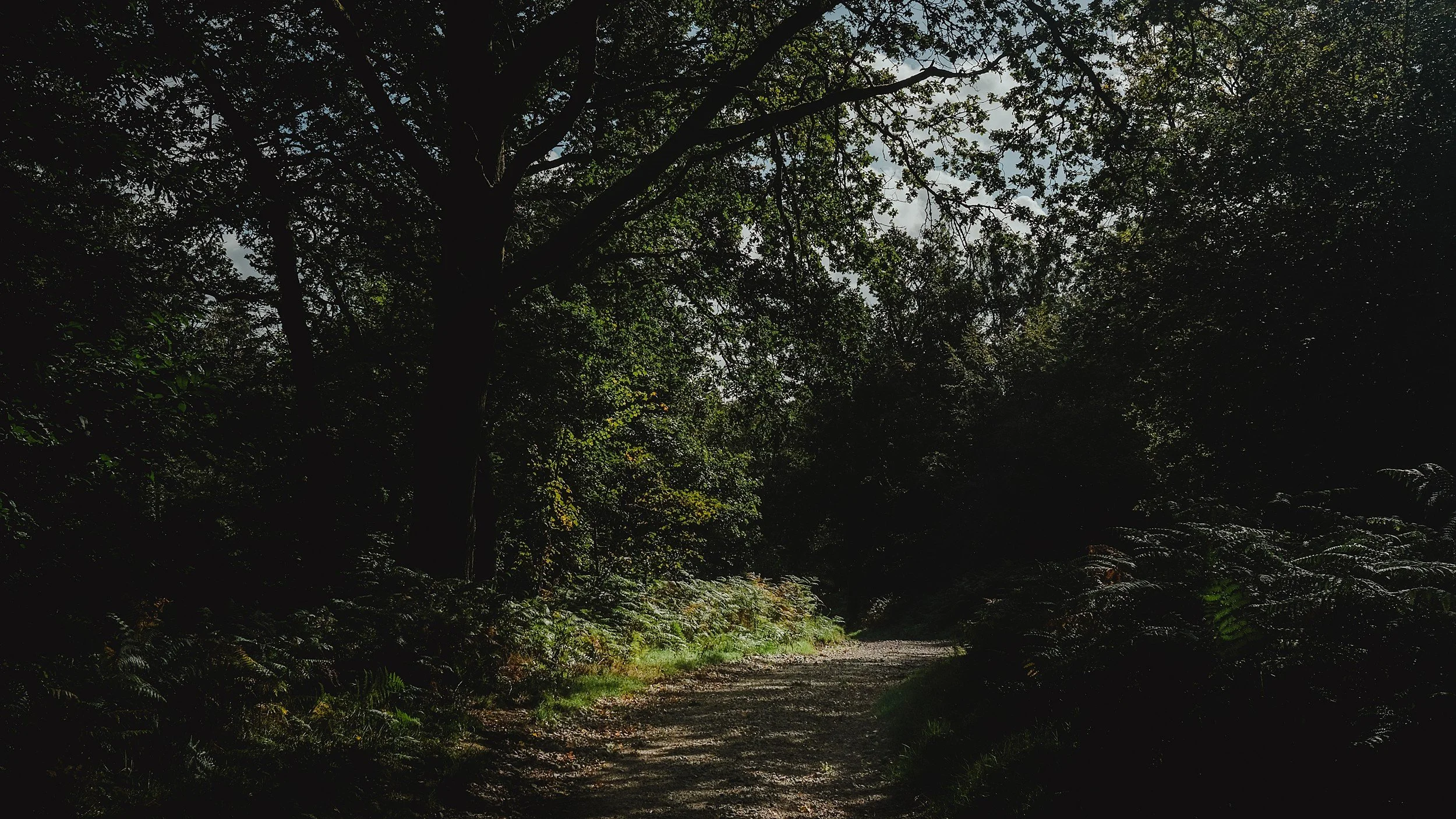
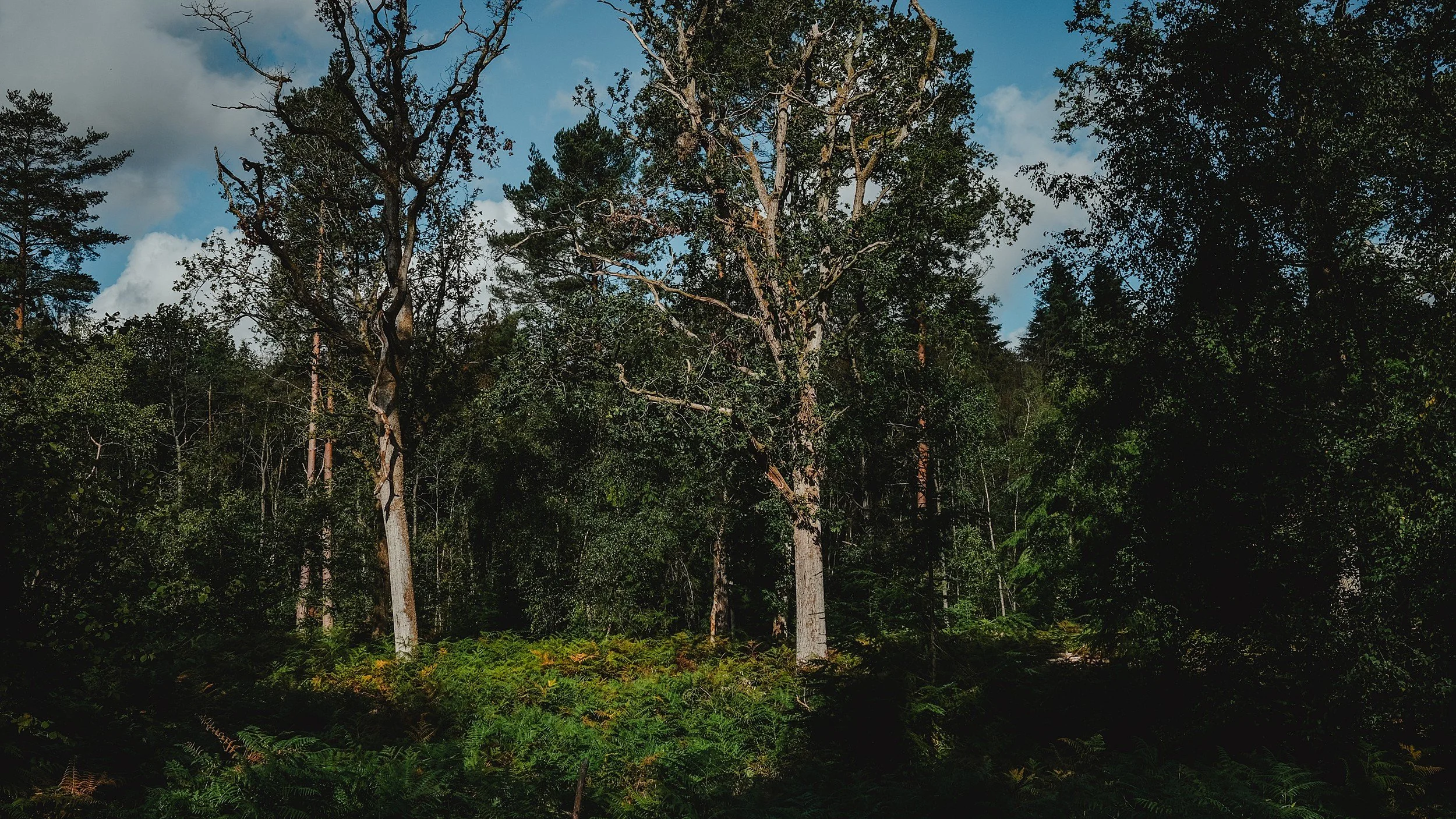
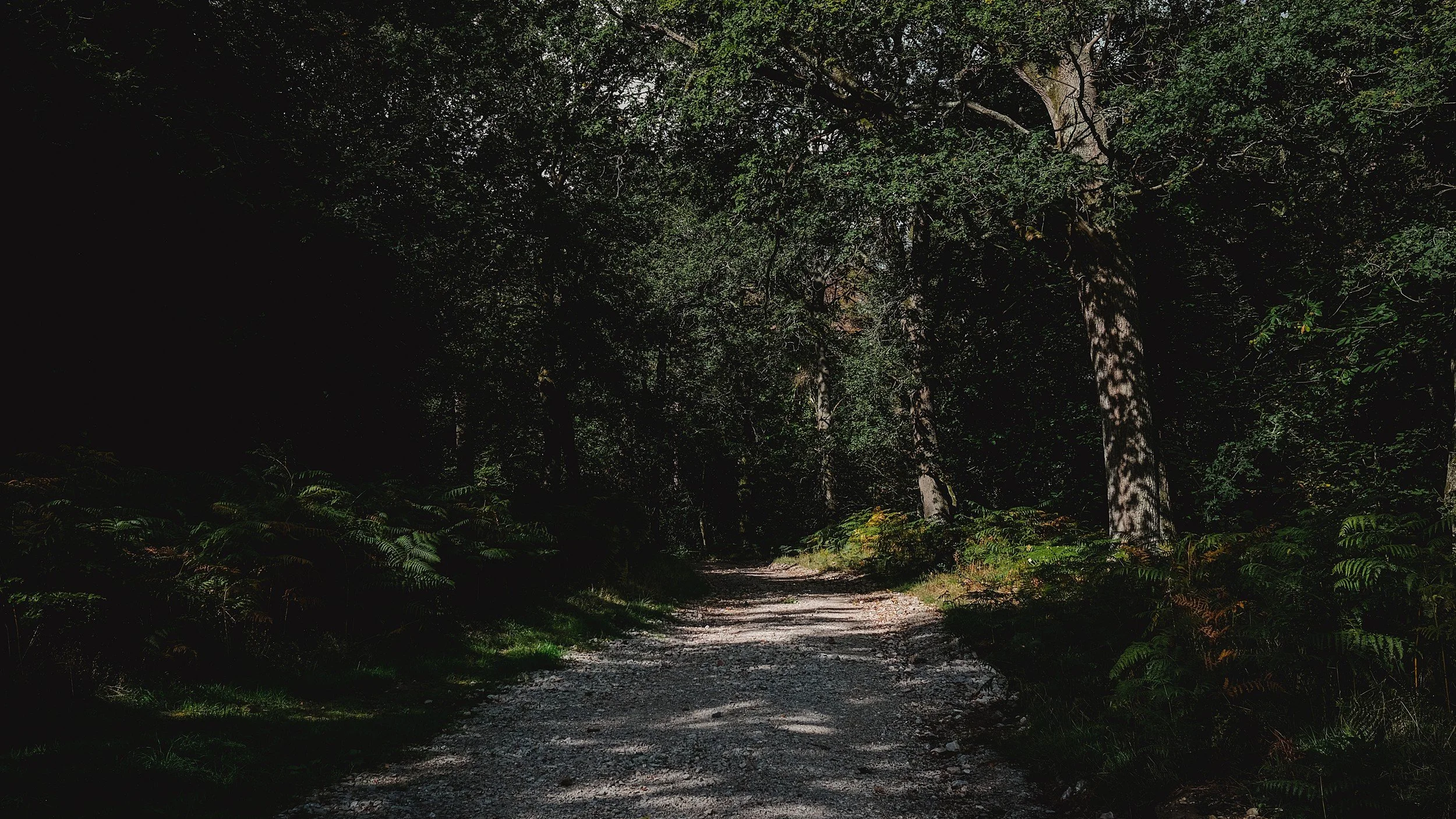
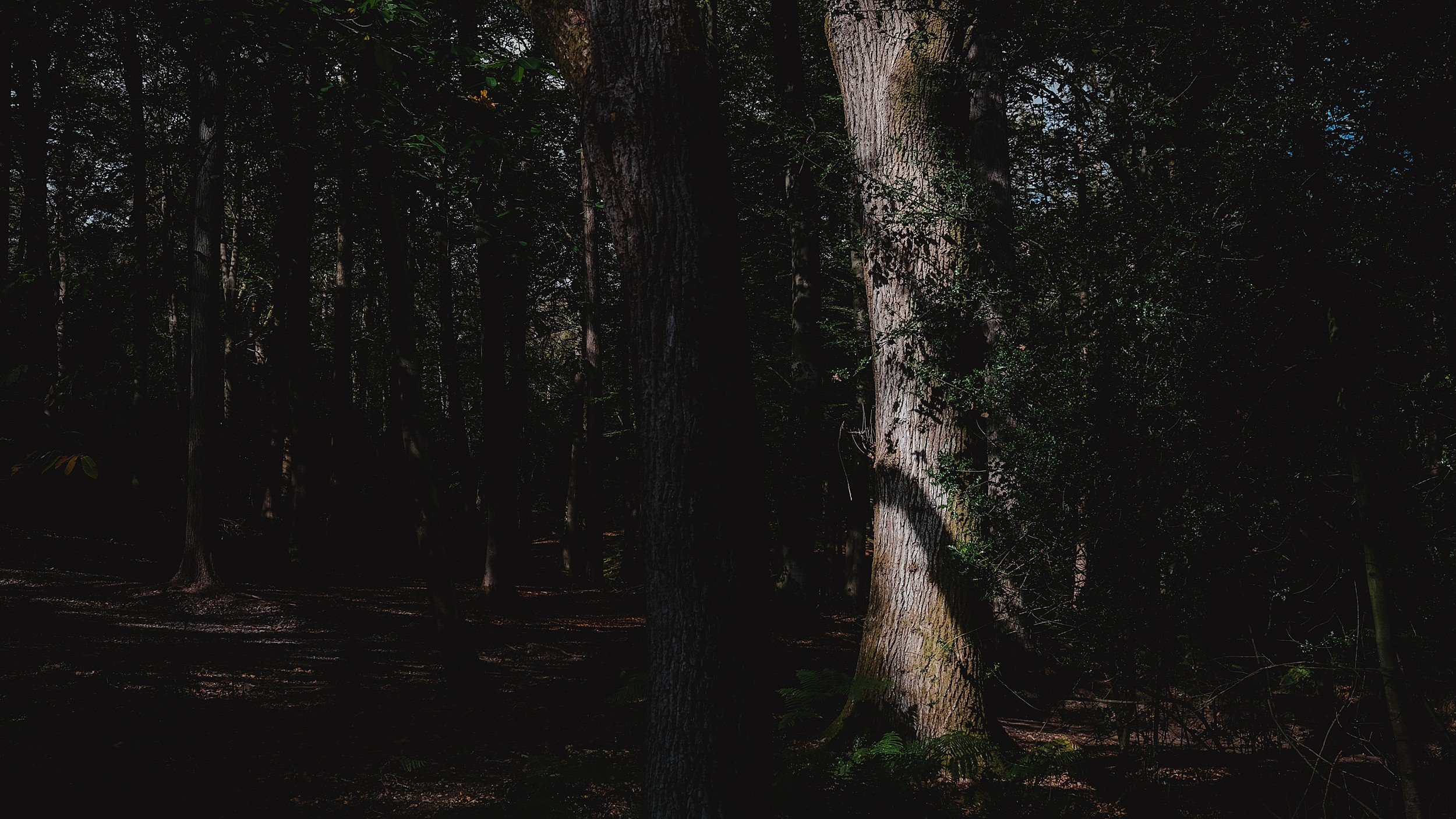
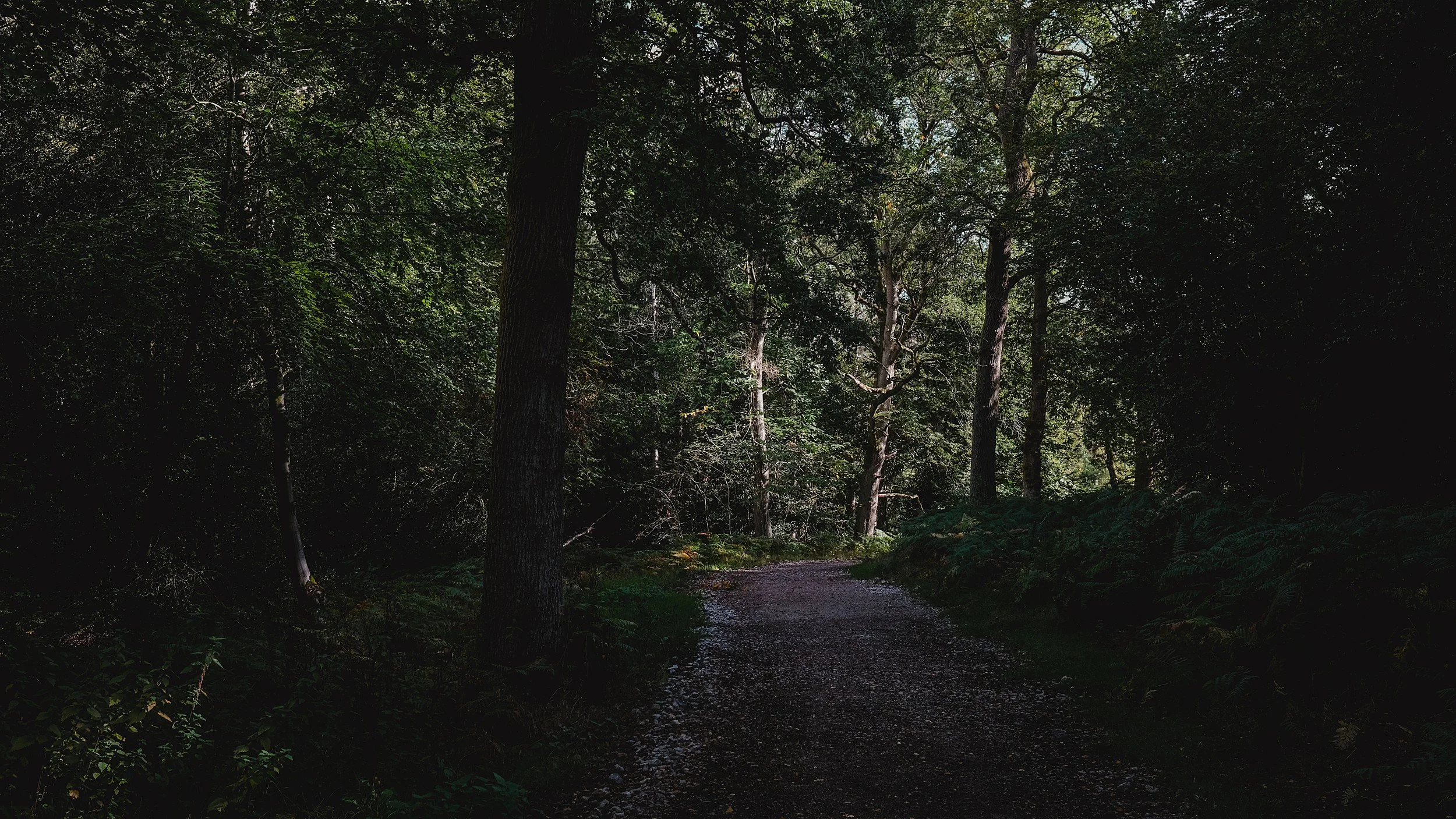
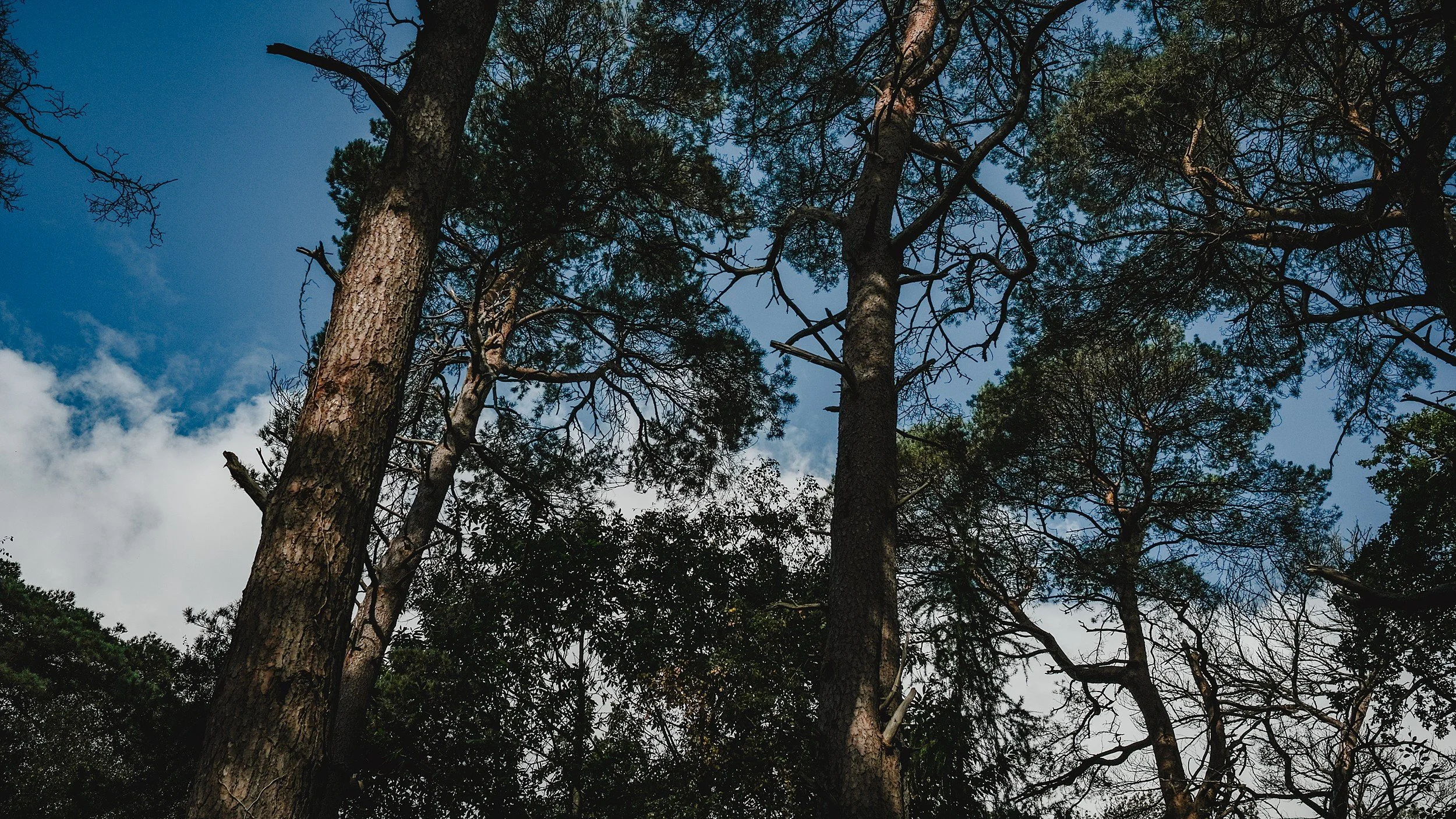
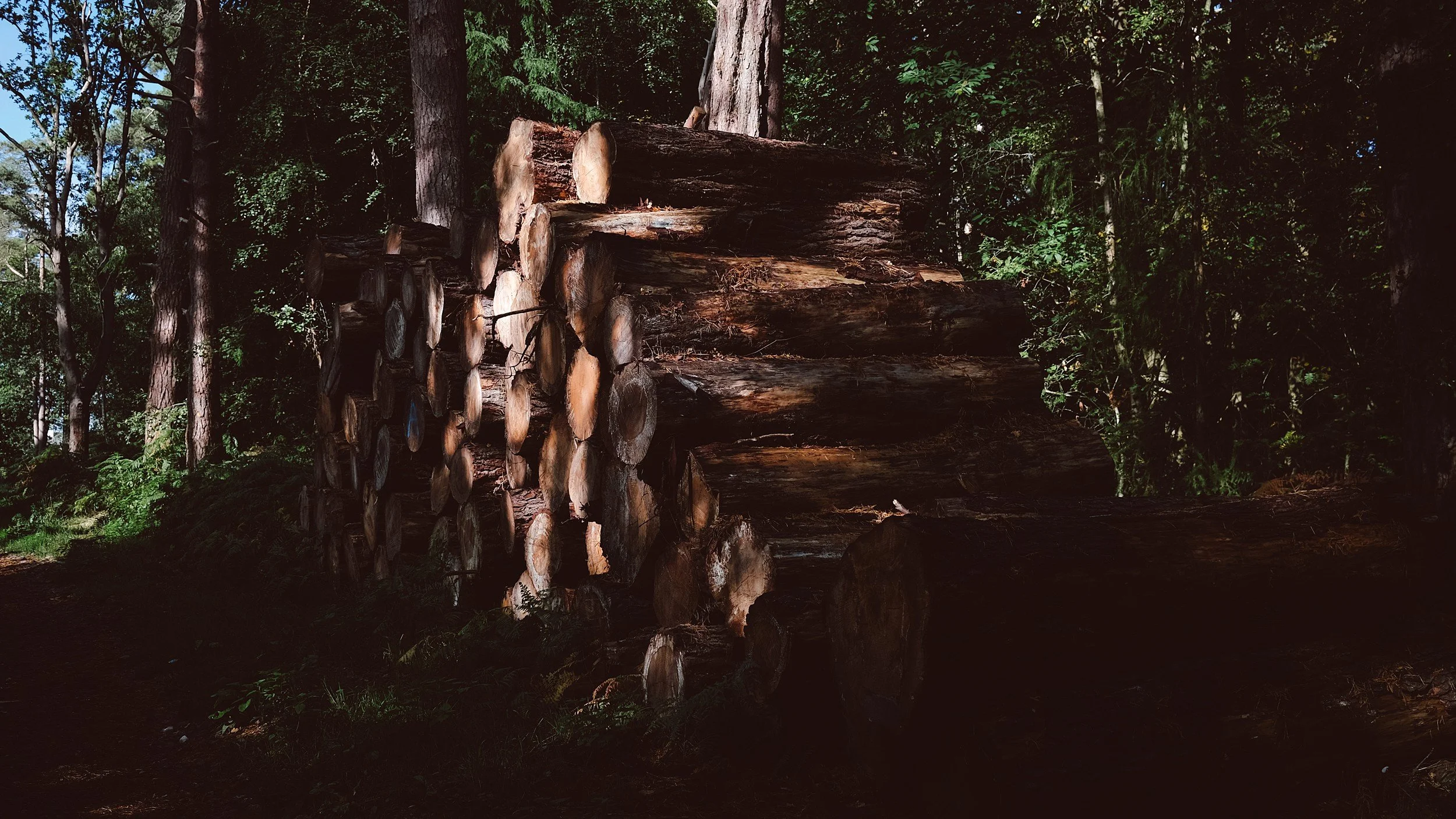
Sketchbook photographs made during today’s Photowalk recording along the path.

VIDEO LIBRARY
The following videos or subjects are referenced within today’s show.