#520 JUST ONE SHOT, PART 1
FEATURING PHOTOGRAPHER GILES PENFOUND
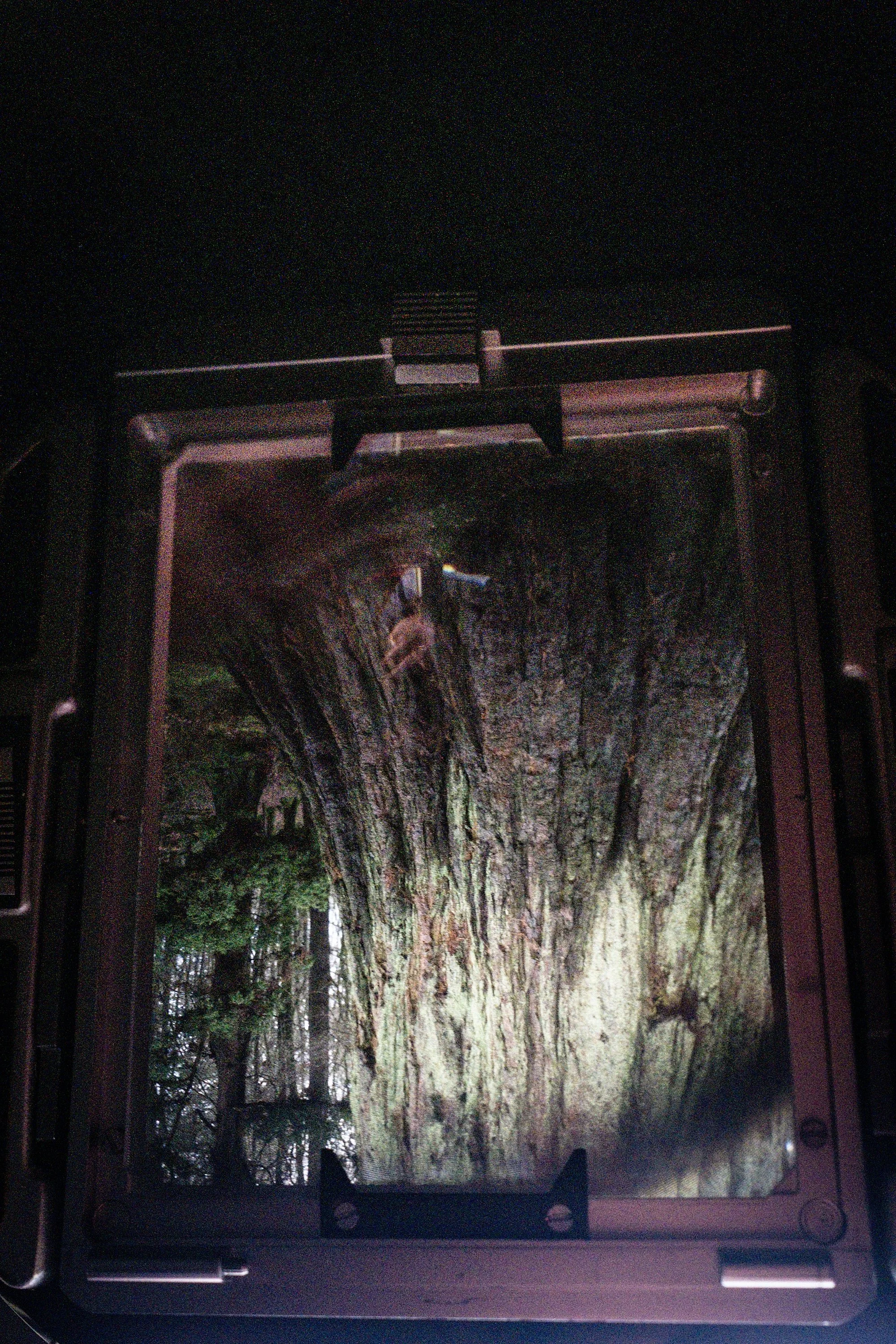
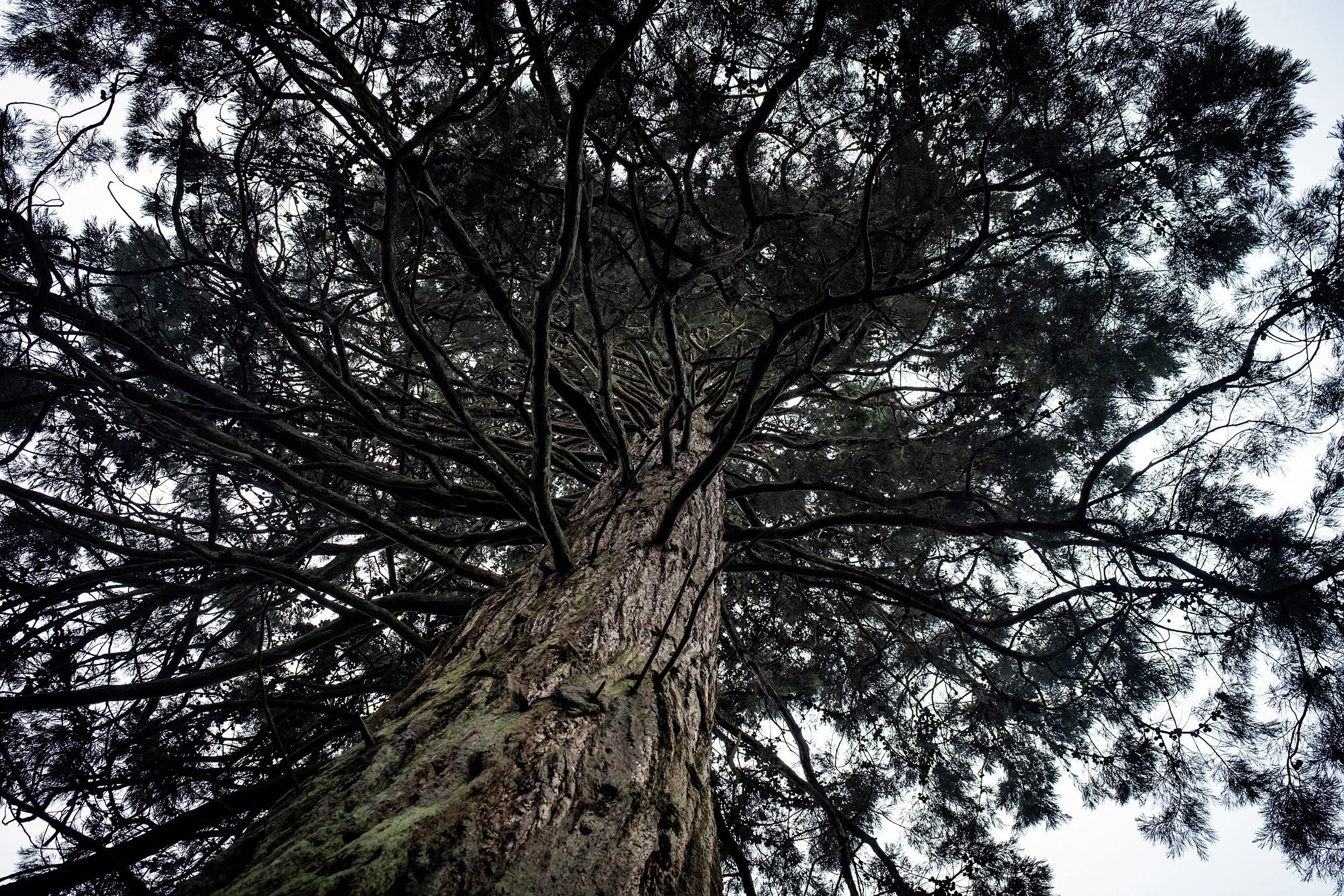
Sometimes the most profound photographs aren't made in an instant, they're cultivated over days, even weeks. In this special two-part episode, I walk with photographer Giles Penfound in Penwood in Berkshire, as he slows down to make a single large-format image of a giant tree, a portrait created in honour of a photographer known to us both. Working with a 5x4 plate camera, Giles has transformed his practice from the fast-paced world of documentary work to something more deliberate, contemplative, and rooted in presence. Across two weeks, we explore what it means to truly slow down: waiting for light, sitting with a ‘subject’, and navigating the mental space that opens up when you're no longer chasing the next frame.
We discuss mental health, the quality of light, and choosing a different pace of life in a world that demands speed. This is photography as meditation, as ritual, as a way of being fully present with the world.
Email your stories, thoughts, and pictures to the show. If you can optimize/resize photos to 2,500 pixels wide, that’s always much appreciated. If you’d like to support this show and have access to further content and the midweek Extra Mile show, we’d welcome you as an EXTRA MILER. There’s also our thriving Facebook group, a safe place to meet and talk with photographers of all interests, the Photowalk YouTube channel, plus the show is featured on Instagram, VERO and X.
As well as our Extra Milers, we’re also supported by our friends at Arthelper.ai who make marketing easier, helps more people find your work, and keeps your voice true—so you can get back to what you love most: making art. Enter PHOTOWALK at checkout to receive 30 days of the pro version free.
PLEASE HELP TO BUILD OUR COMMUNITY BY SHARING THIS EPISODE TO YOUR FAVOURITE SOCIAL PLATFORMS
LEARN:
MORE ABOUT names, words, THE MUSIC and places FROM TODAY’S SHOW
Join us on the Black Isle near Inverness, for the Scotland ‘26 retreat, staying on a working soft-fruit farm with Highland views. The retreat includes small creative workshops, from photogravure printing to sound and writing sessions, plus plenty of time to walk, talk and make photographs together.
Bert Hardy grew up in working class south London and left school at 14. He taught himself photography and eventually became chief photographer at Picture Post, one of Britain's most important magazines of the 20th century. He covered the Second World War, D-Day, and the liberation of Bergen-Belsen, and later documented everyday life in places like Glasgow's Gorbals and London's Elephant and Castle.
Great Penwood sits within the parish of Highclere in Hampshire, just south of Newbury near the Berkshire border. The woodland contains a number of very valuable specimens and veteran trees, Common Wood, and is managed by the Forestry Commission, which has been working to improve its biodiversity and native species mix. The area is part of the North Wessex Downs Area of Outstanding Natural Beauty, within the same landscape that surrounds Highclere Castle, itself famous as the setting for Downton Abbey.
David Bellamy was a British botanist, broadcaster, and environmental campaigner who brought plants, peatlands, and everyday wildlife into popular culture through television in the 1970s and 80s; his energetic field style and conservation work inspired a generation to notice and protect the natural world around them.
In 1958, Rothko was commissioned to paint murals for the Four Seasons restaurant in New York’s Seagram building. He built a scaffold in his studio to match the restaurant's exact dimensions, and the work grew darker and more intense as it progressed. After dining there as a customer, he pulled out, returned the $35,000 fee, and kept the paintings. He eventually donated nine panels to the Tate in London. They arrived on 25 February 1970, the same day Rothko was found dead in his New York studio.
Orthochromatic film is sensitive to blue and green light but not to red, so red objects appear much darker than they do in real life, and blue skies blow out easily. It was the standard film stock for most of the 19th and early 20th century, and its particular tonal qualities are why so many portraits from that era look the way they do; skin rendered pale, lips almost black. It fell out of favour when panchromatic film, sensitive to the full visible spectrum, arrived. Some photographers still seek it out for those very qualities.
Ansel Adams was an American landscape photographer and environmentalist best known for his black-and-white images of the American West, especially Yosemite National Park; he co-founded the influential Group f/64 and developed the Zone System, a method for precise exposure and printing that shaped modern photographic practice.
Minor White was an American photographer, teacher, and editor who helped shape twentieth-century fine-art photography through his abstract black-and-white images and influential teaching; as editor of Aperture magazine, he promoted photography as a personal, expressive art and encouraged generations of photographers to explore symbolism and inner meaning in their work.
MPP (Micro Precision Products) was a British camera manufacturer based in London, founded in 1941. Their first major product was the Micro Technical Camera in 1948, a 5x4 large format camera that was well ahead of anything else being made in Britain at the time. They were also the only postwar British manufacturer of twin-lens reflex cameras. The company produced cameras until 1982 and continued selling parts until it finally closed in 1989. Many MPP cameras are still in use today.
Linhof was founded in Munich in 1887 and is the world's oldest continuously operating camera manufacturer. They began by making camera shutters before moving into cameras. In 1934, Nikolaus Karpf designed the Technika, the world's first all-metal folding field camera, and revised versions of it are still in production today. Linhof cameras are handmade, built to extraordinarily tight tolerances, and are known for lasting decades without losing their precision. Many photographers still shoot with Technikas made in the 1950s and 60s.
Kelvin Brown’s flickr Photowalk inspired group - join by invite by clicking on to THIS LINK.
MUSIC LINKS: Richard Farrell wrote today's playout song Open our hearts. Music on the show is sourced primarily from Artlist and also features in Michael Brennan’s Spotify playlist GoFoto. For Apple Music users, follow this playlist.
CLICK LINKS FOR OFFERS AND SUPPORTERS

THE SHOWPAGE GALLERY
ONE SHOT
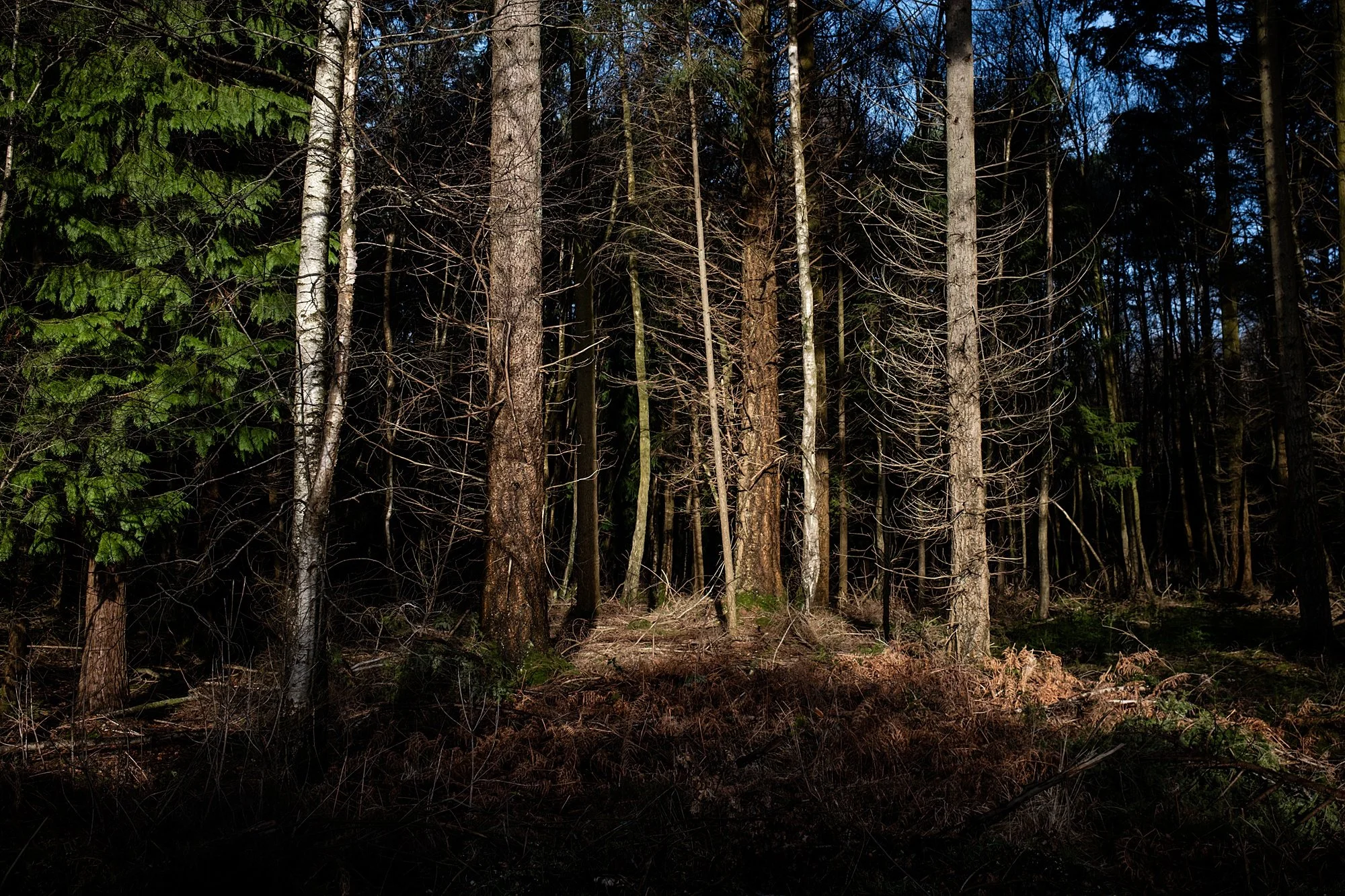
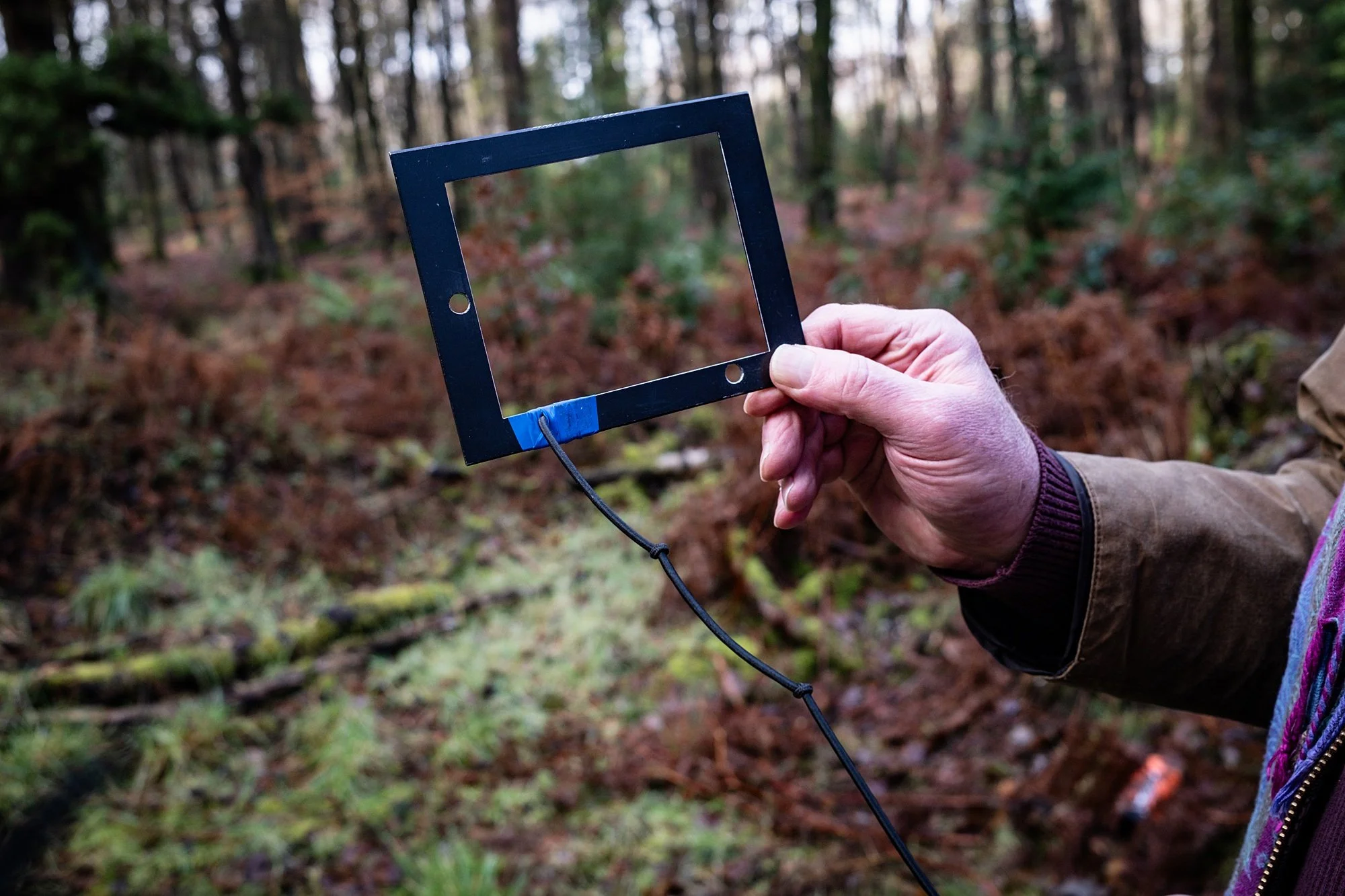
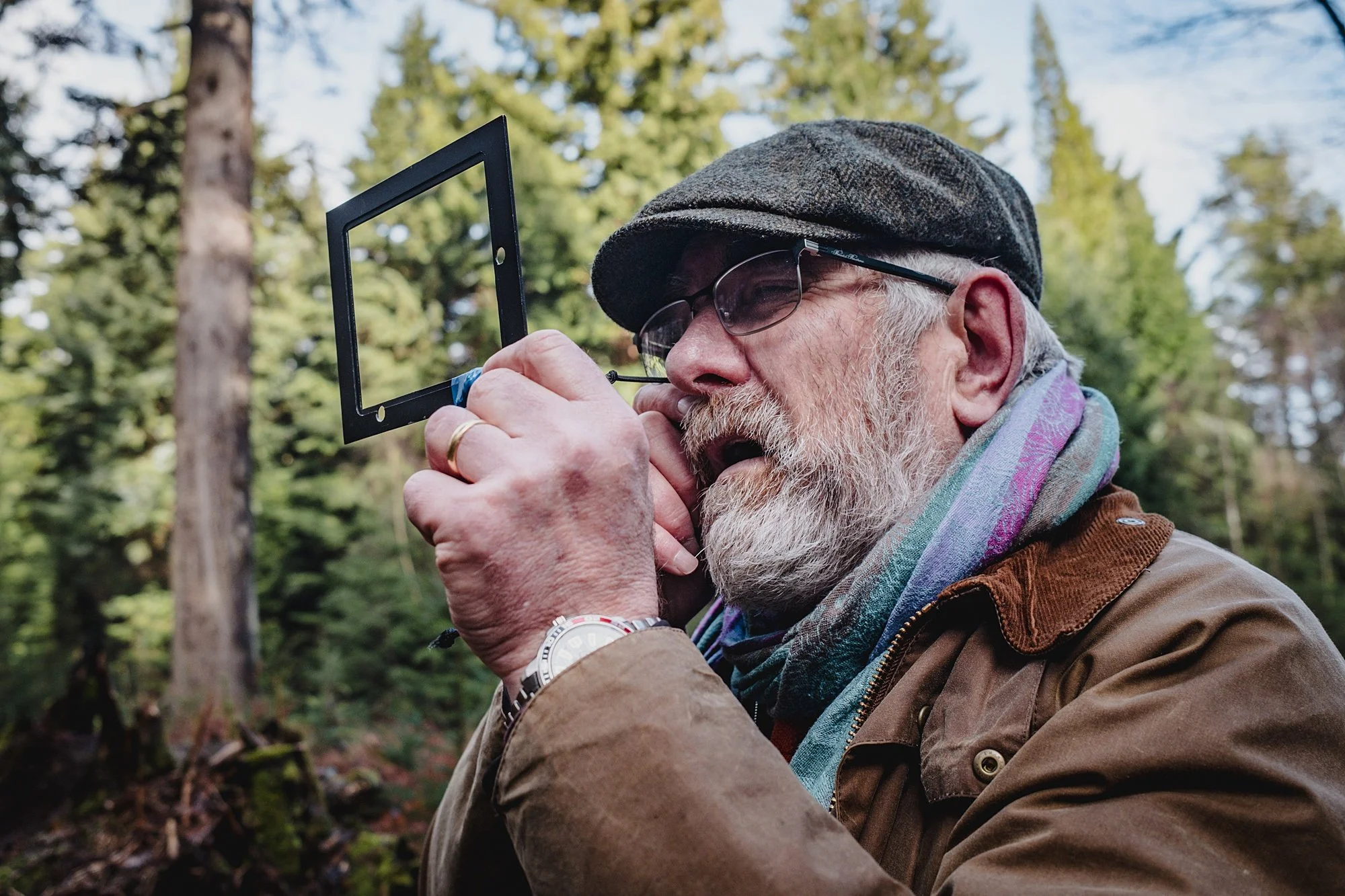
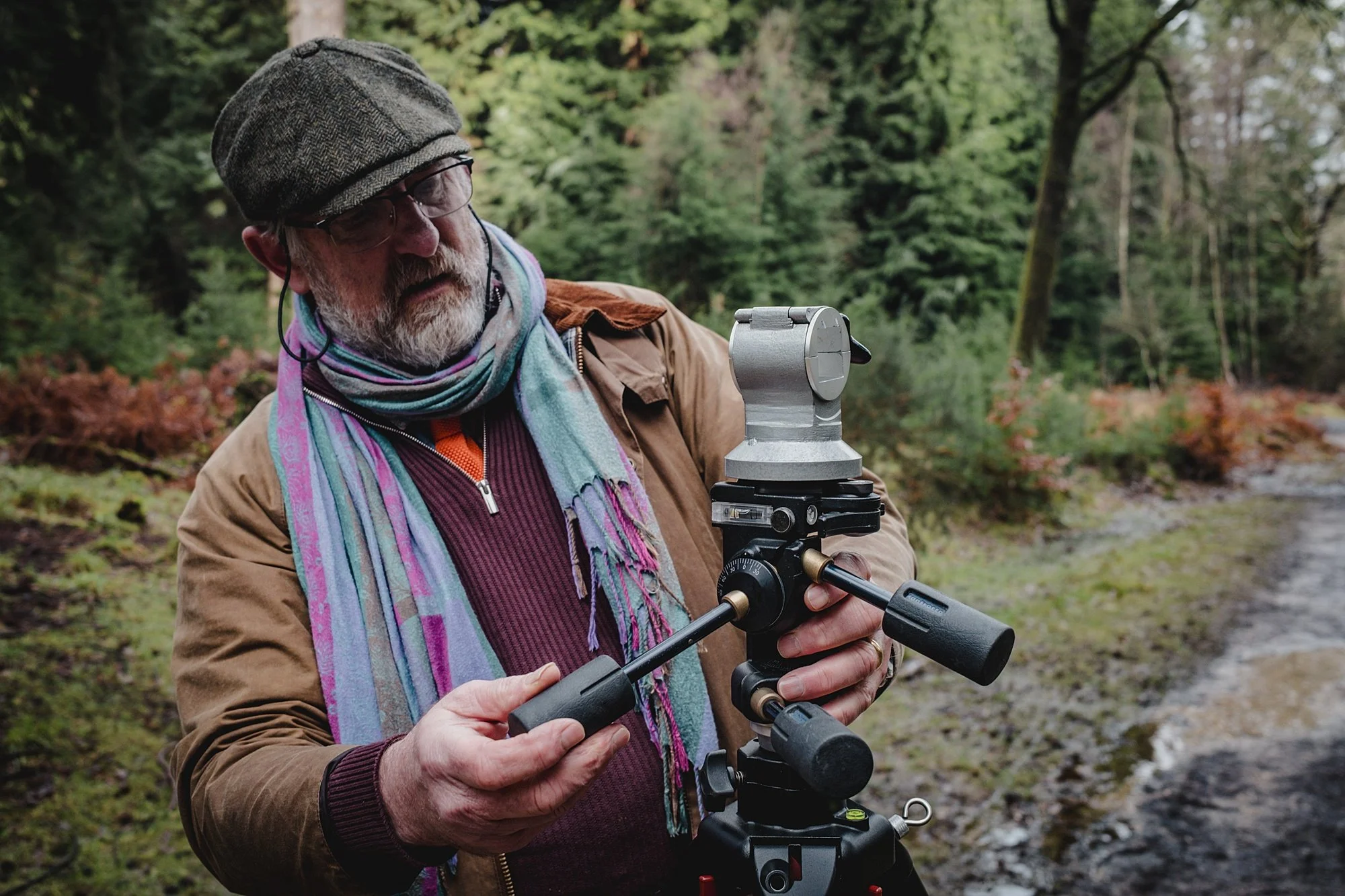
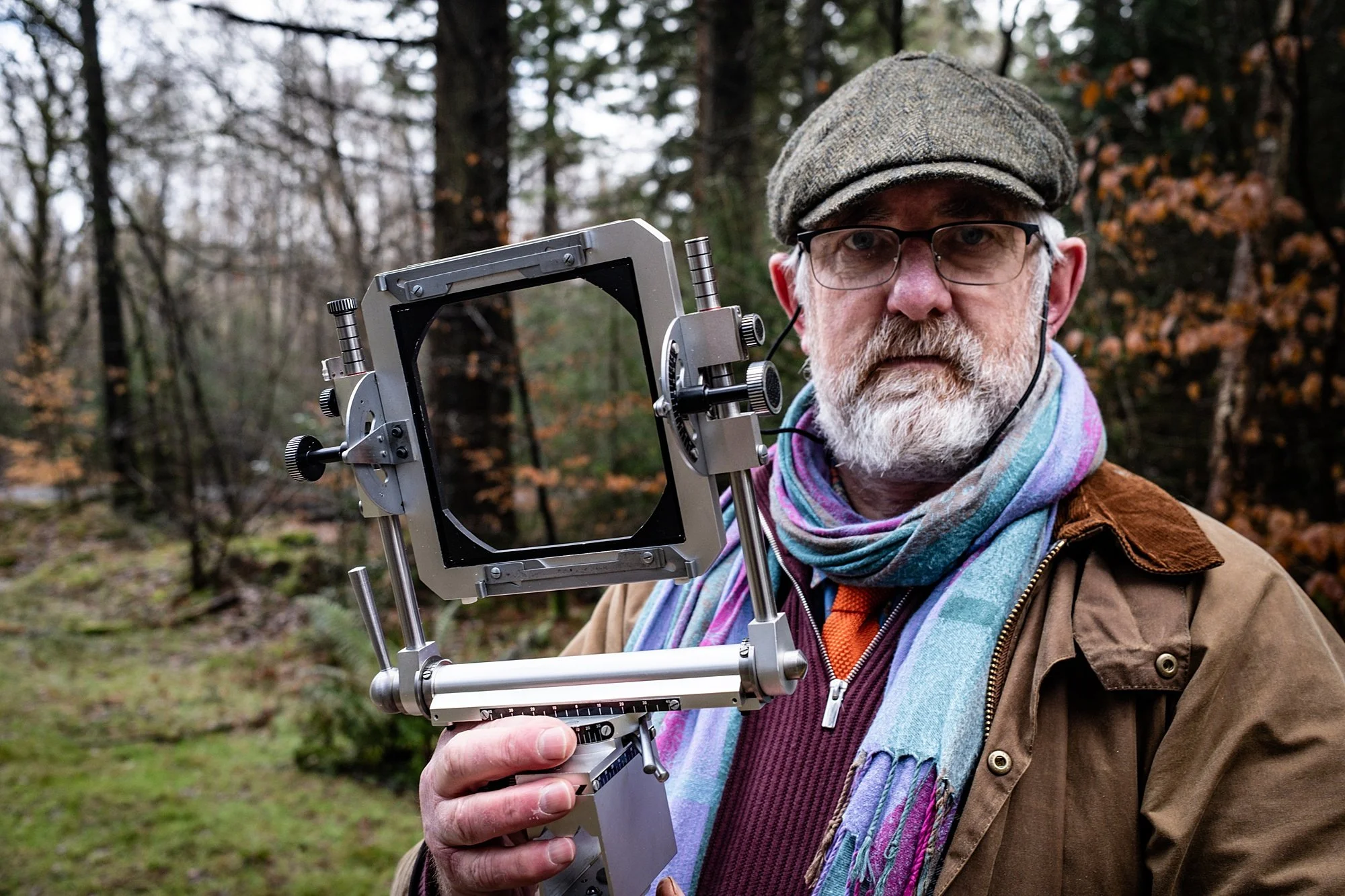
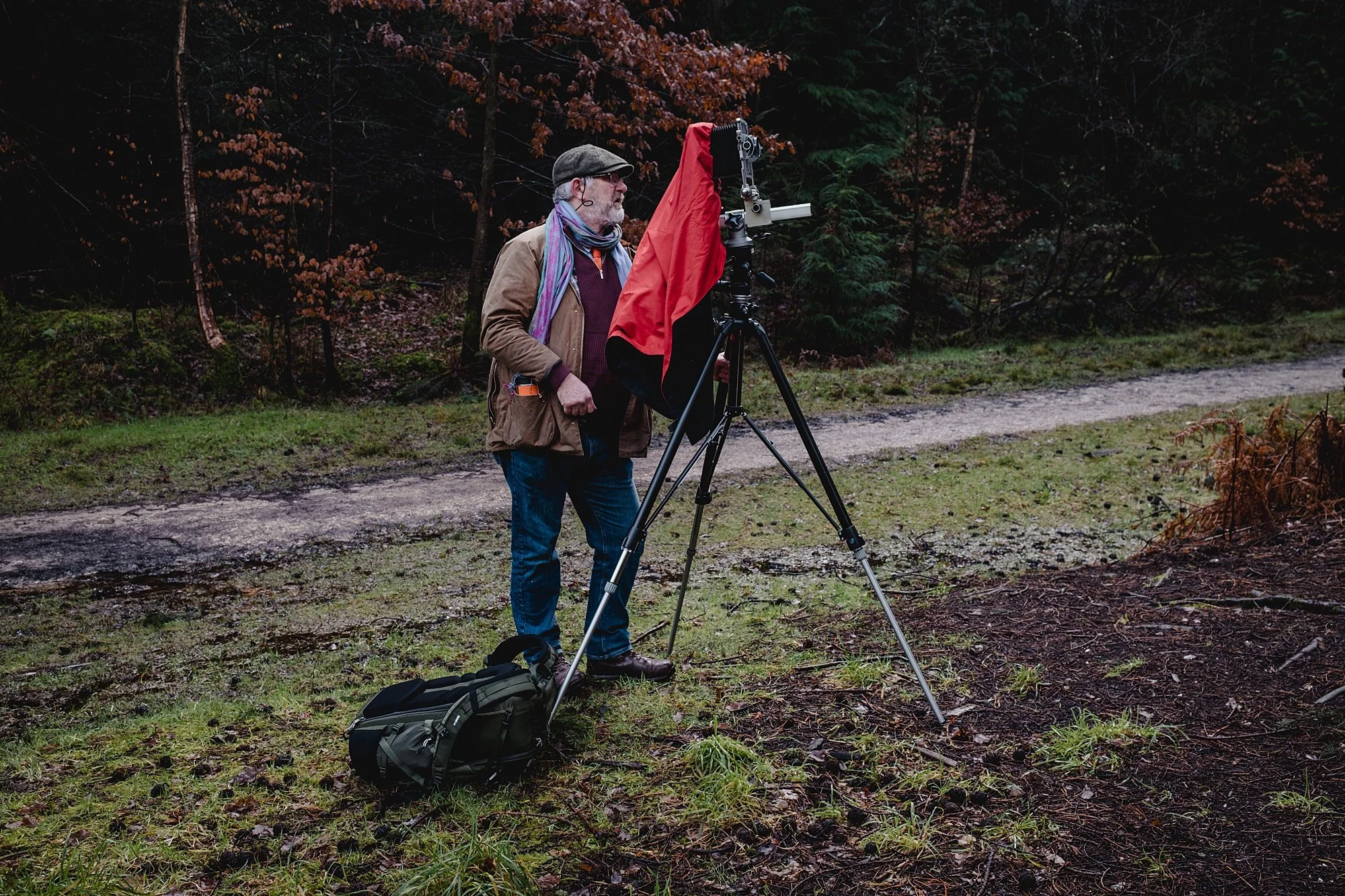
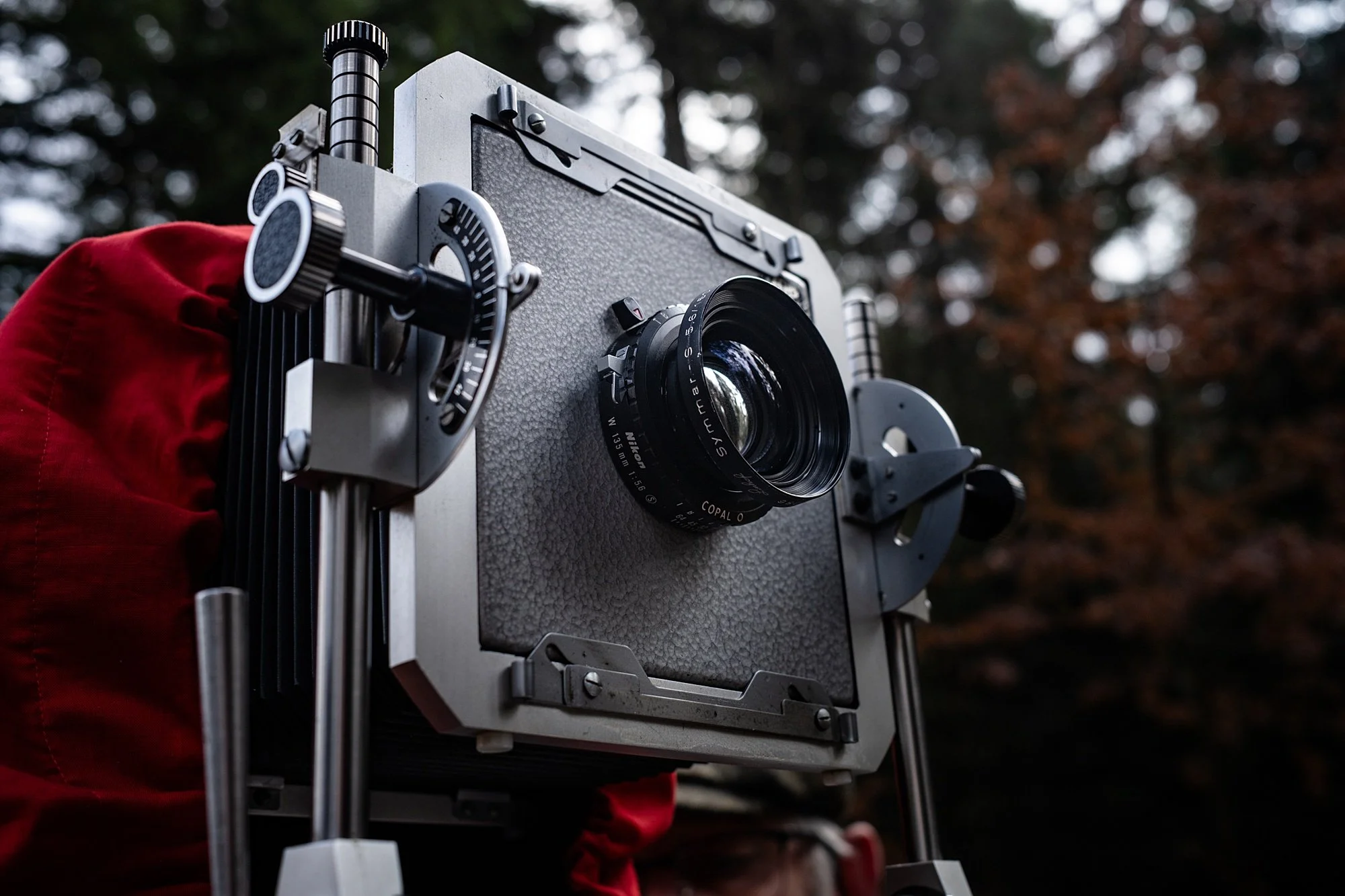
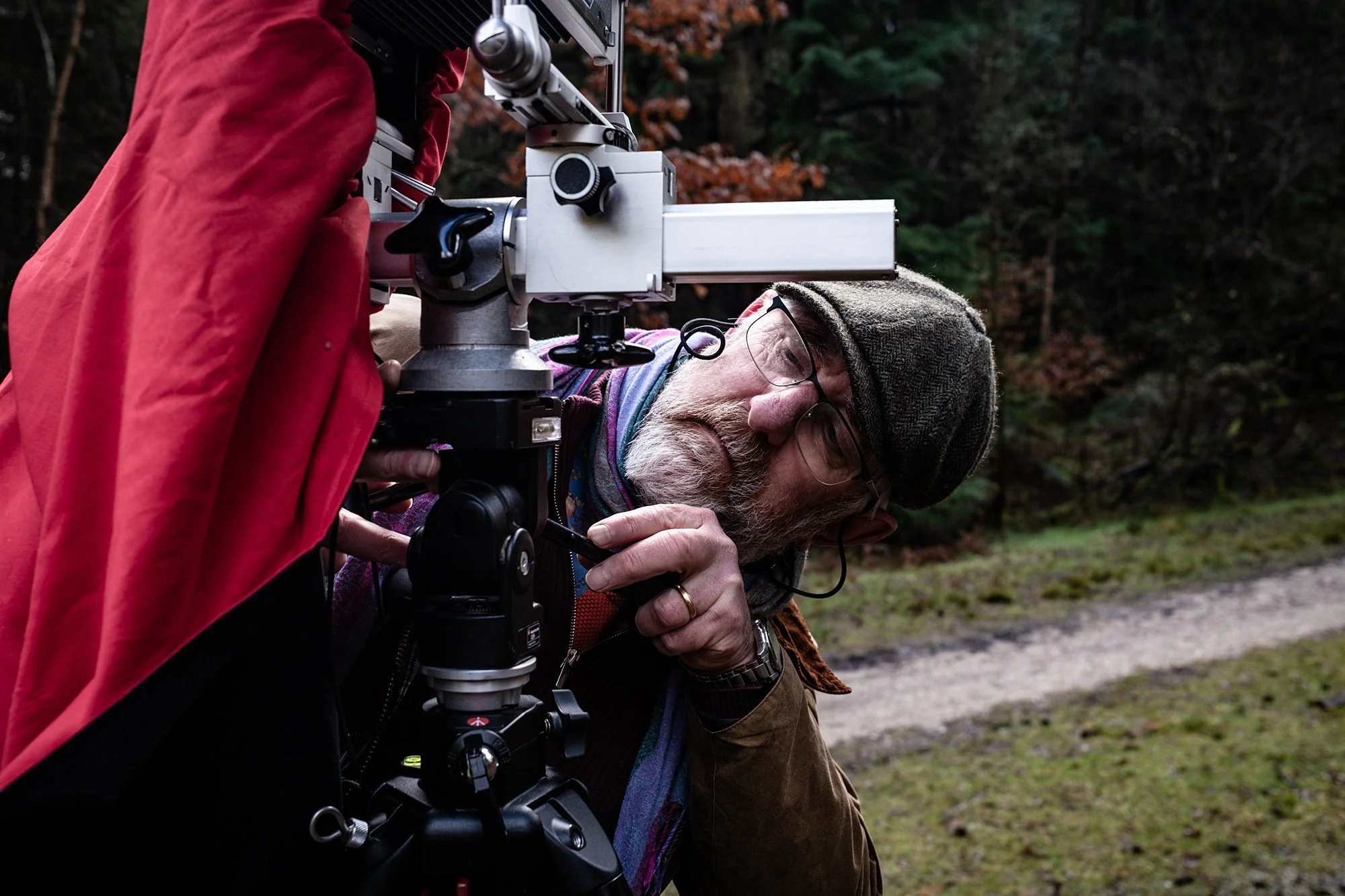
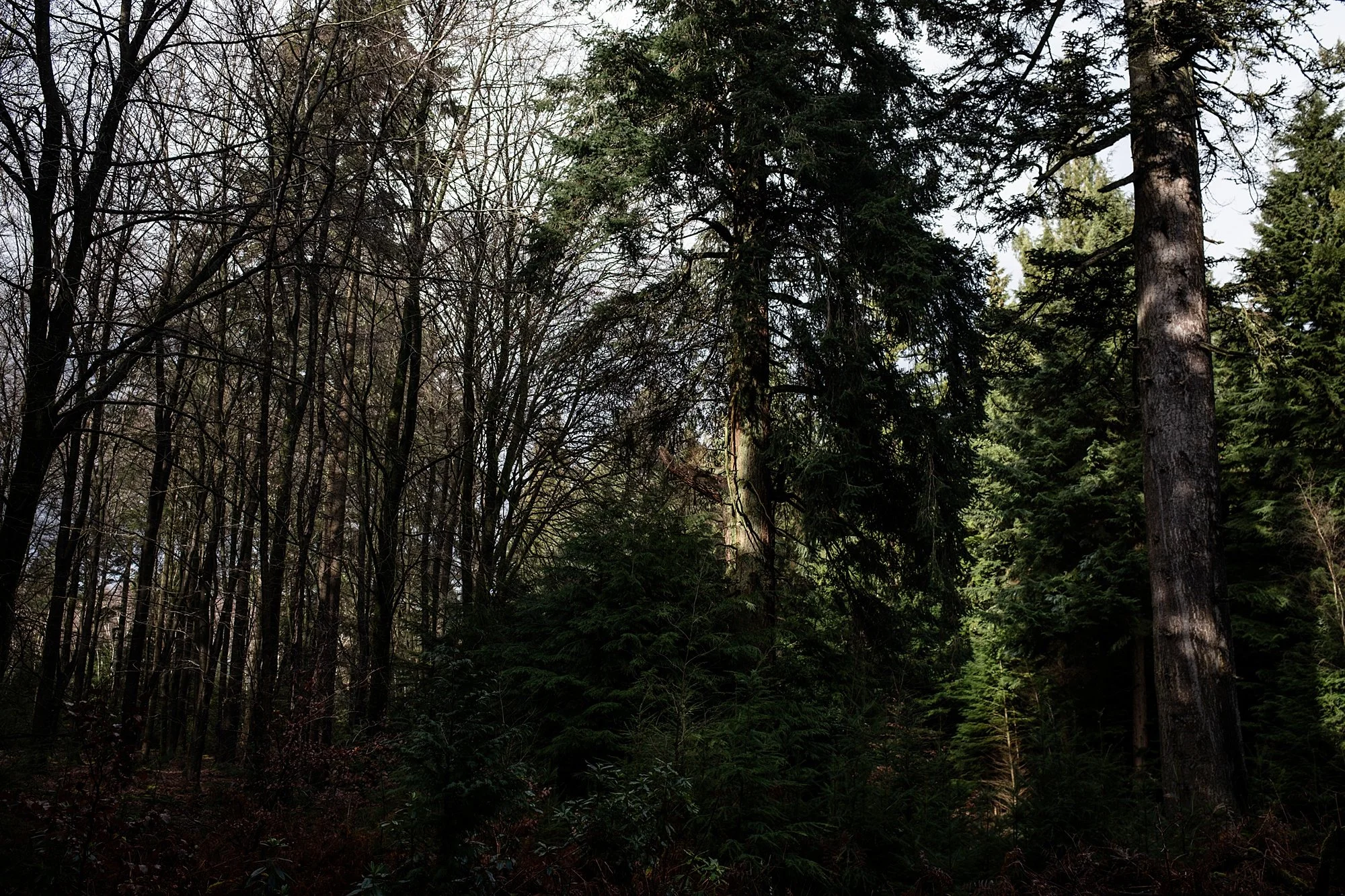
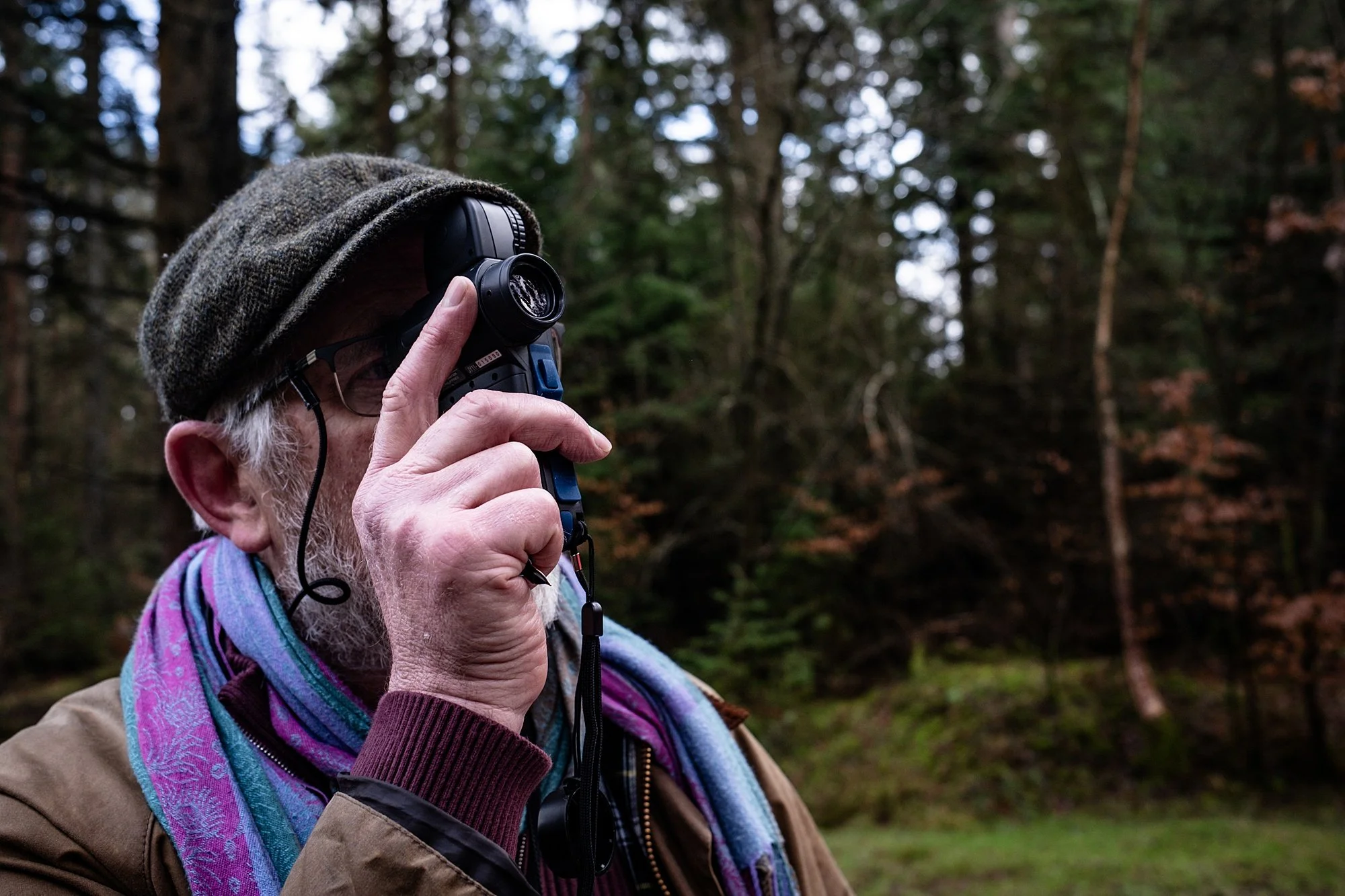
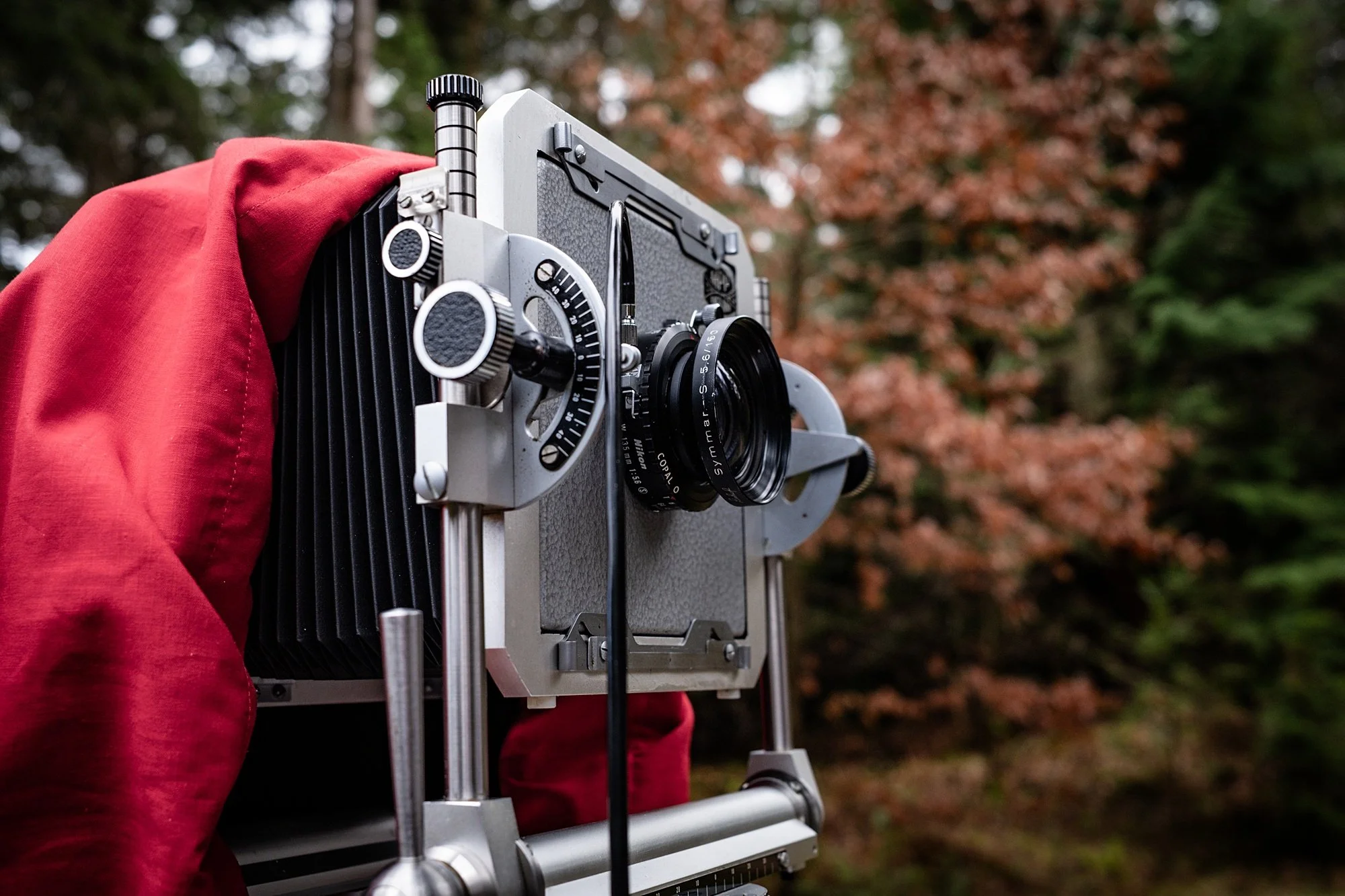
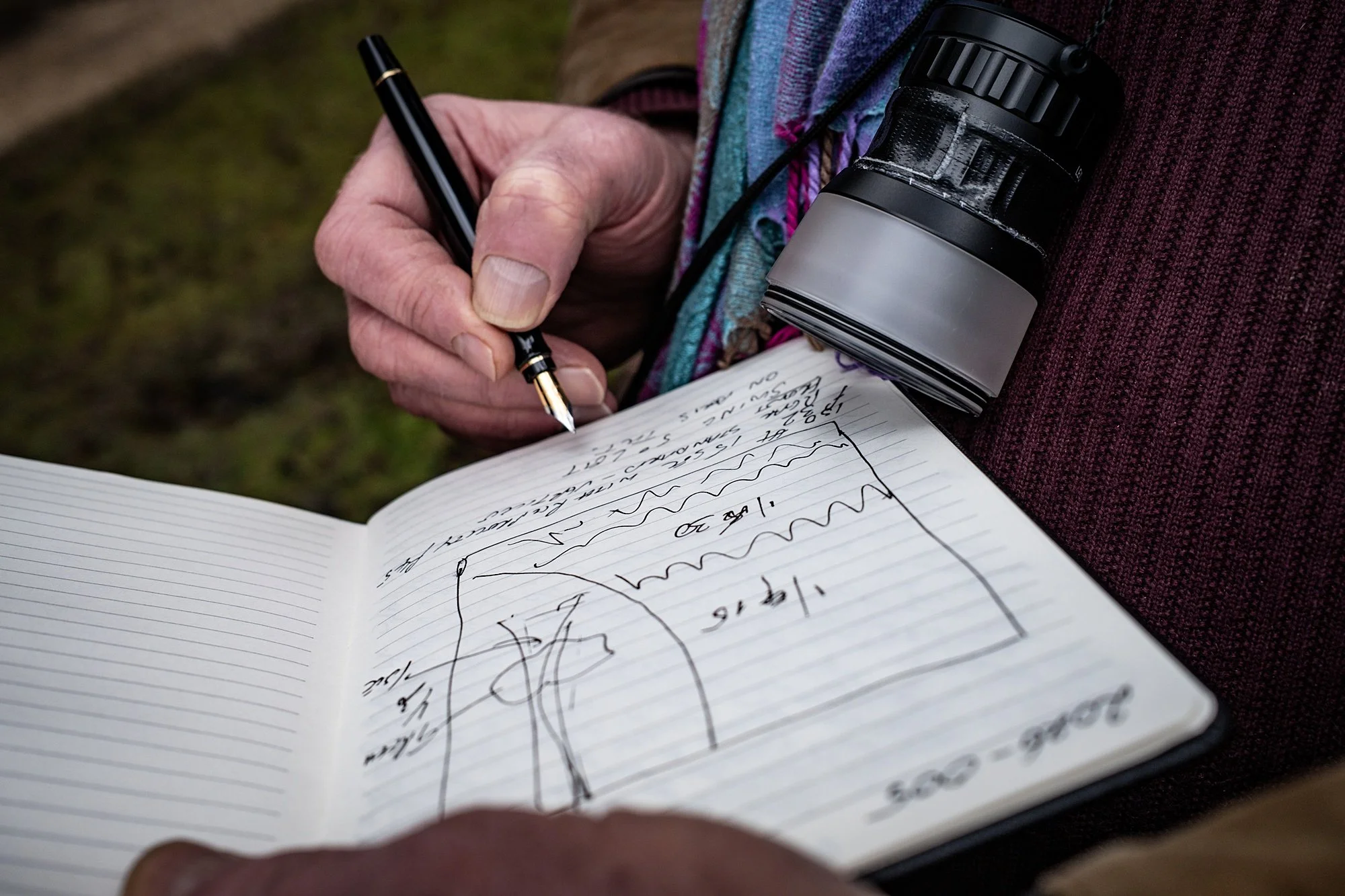
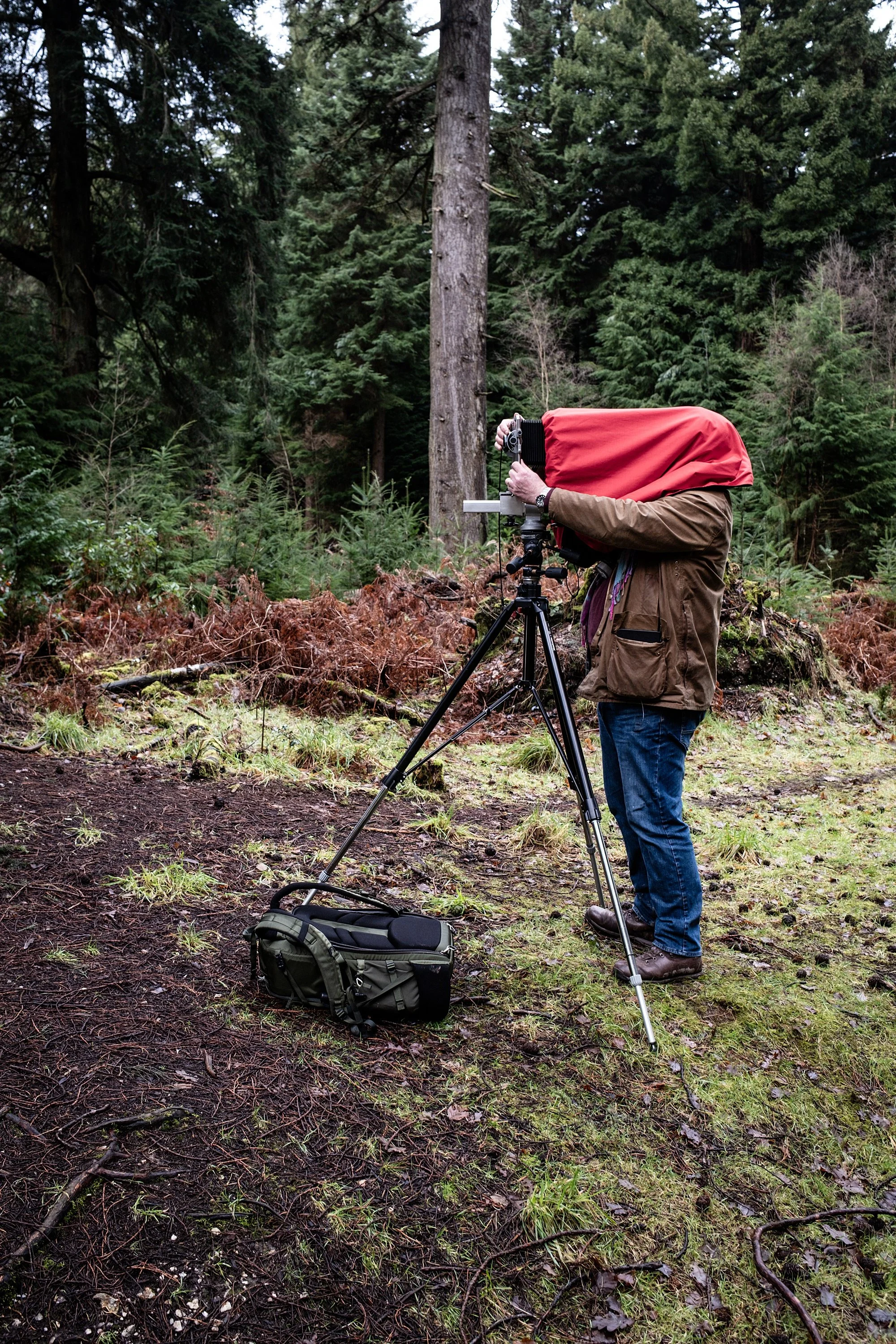
Photographs above and below, of Giles Penfound at work, as the show was made.
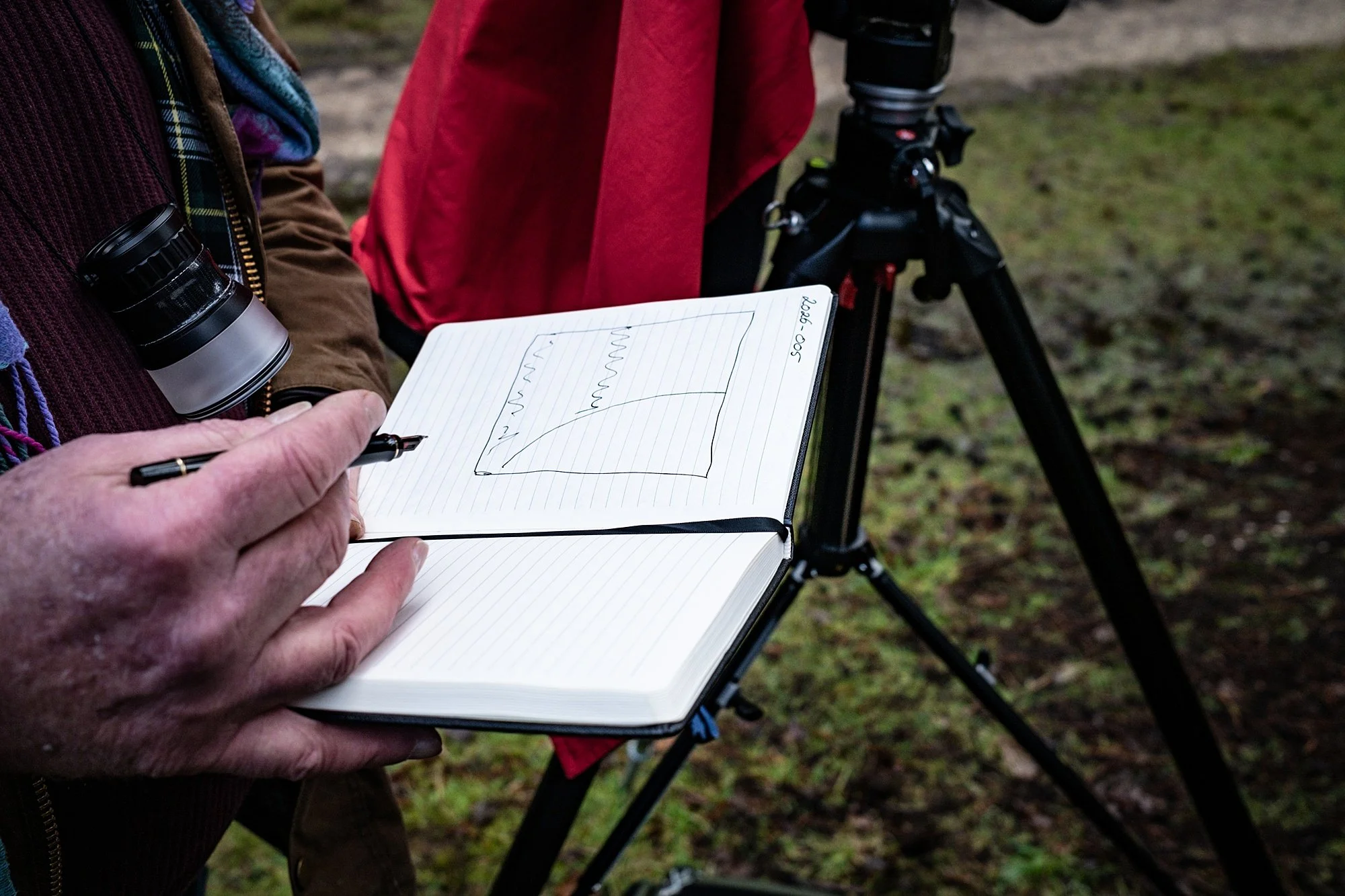
See Five by Four, Giles Penfound’s website.
NEALE JAMES
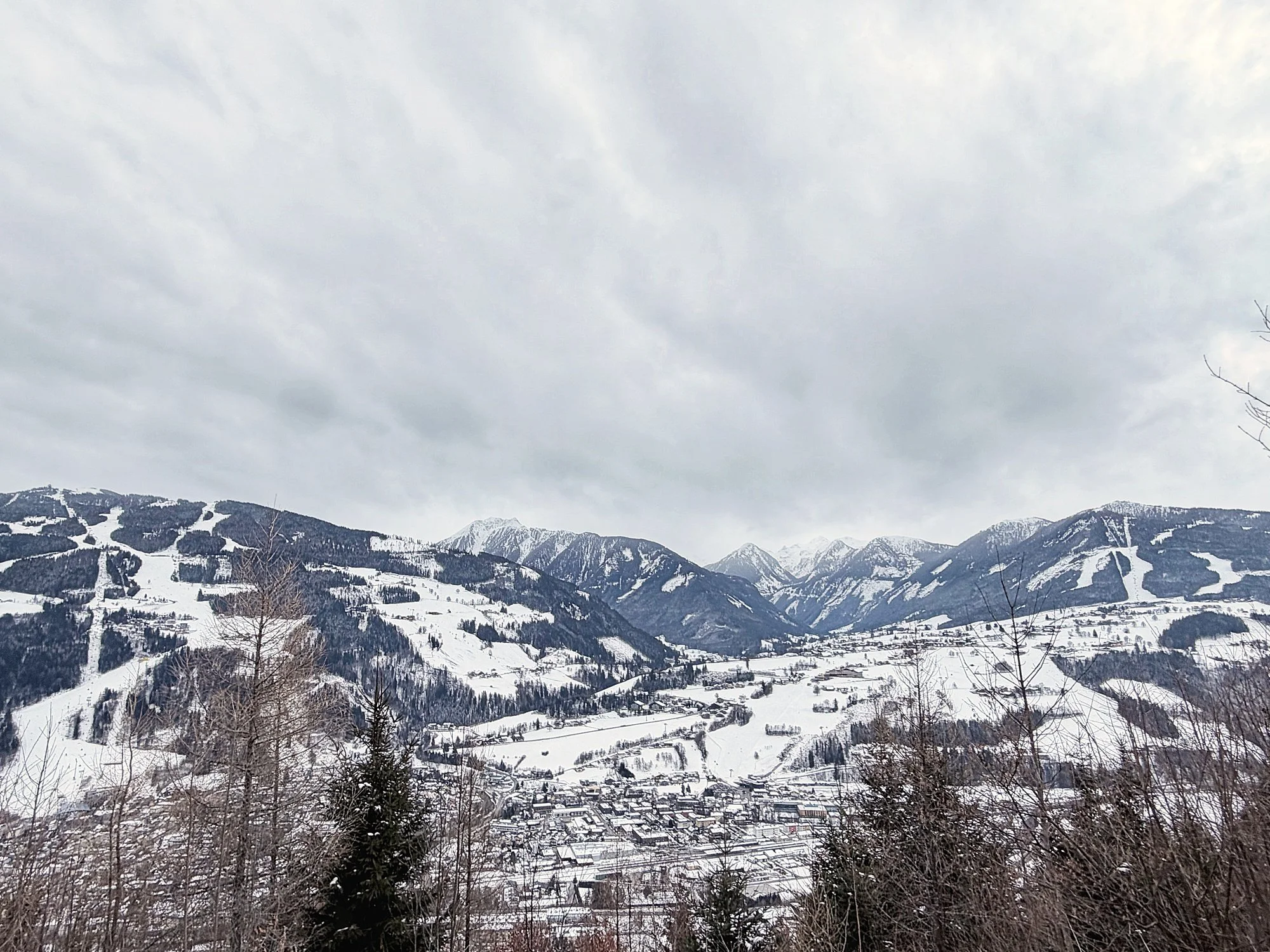
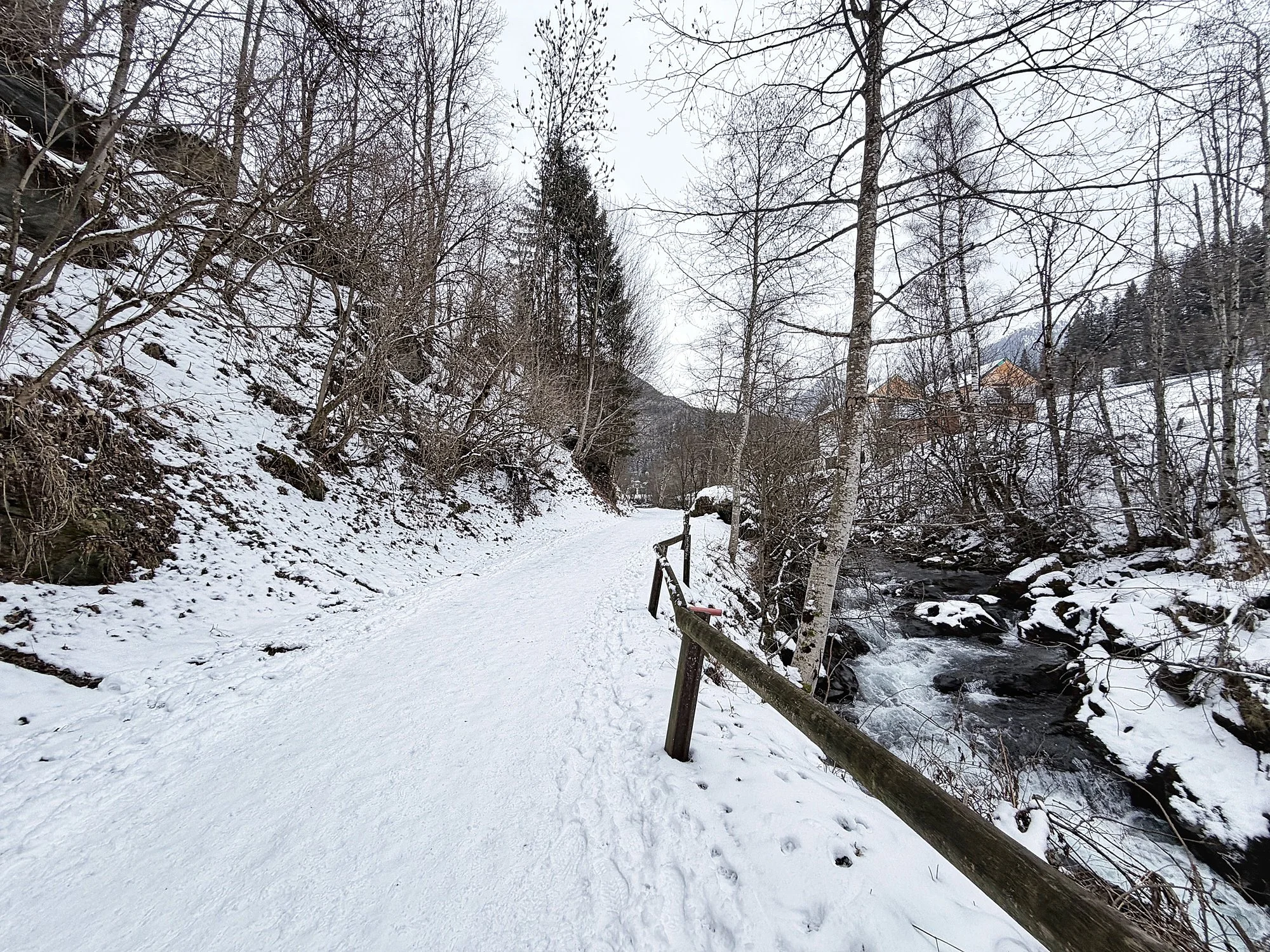
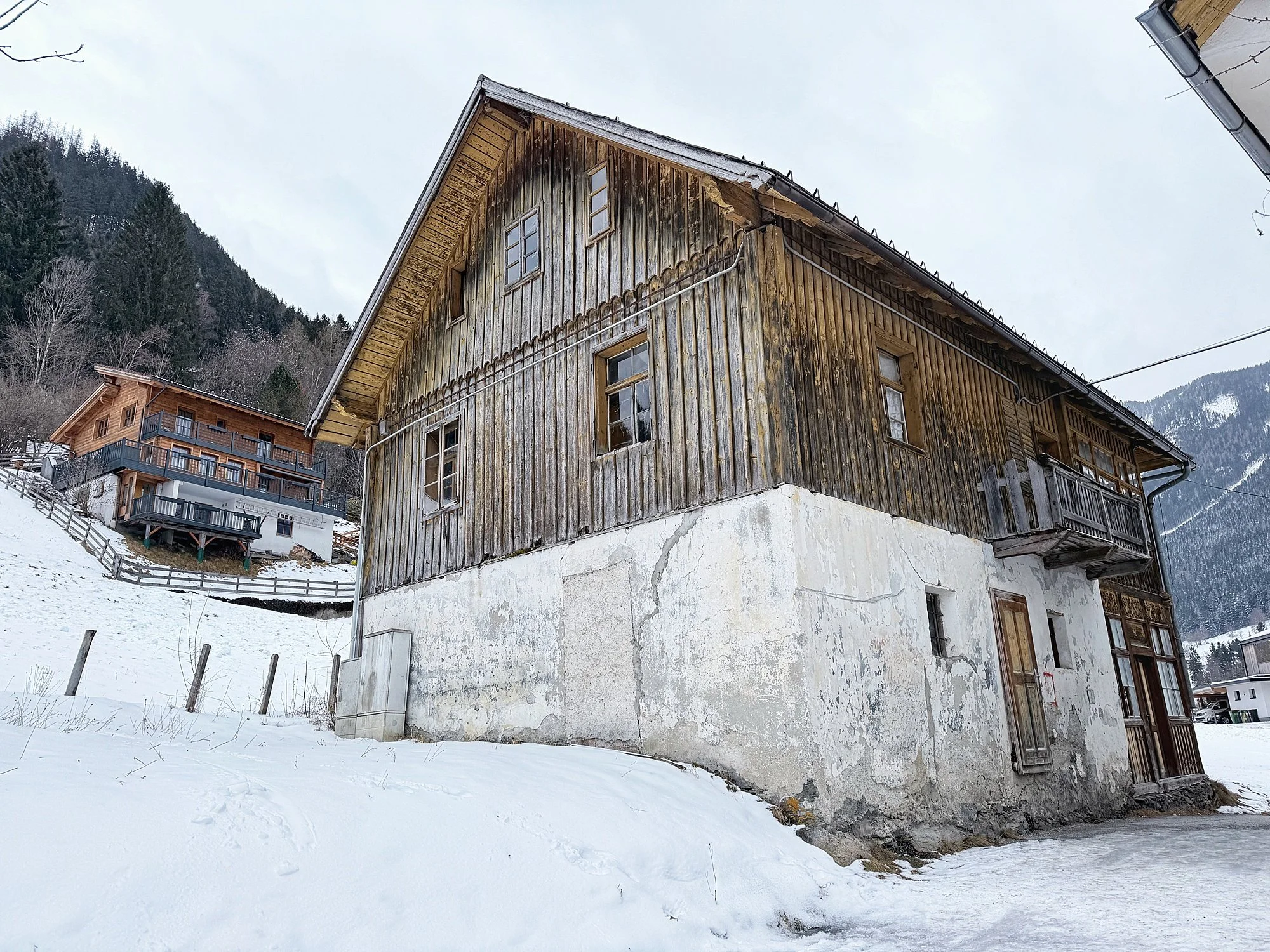
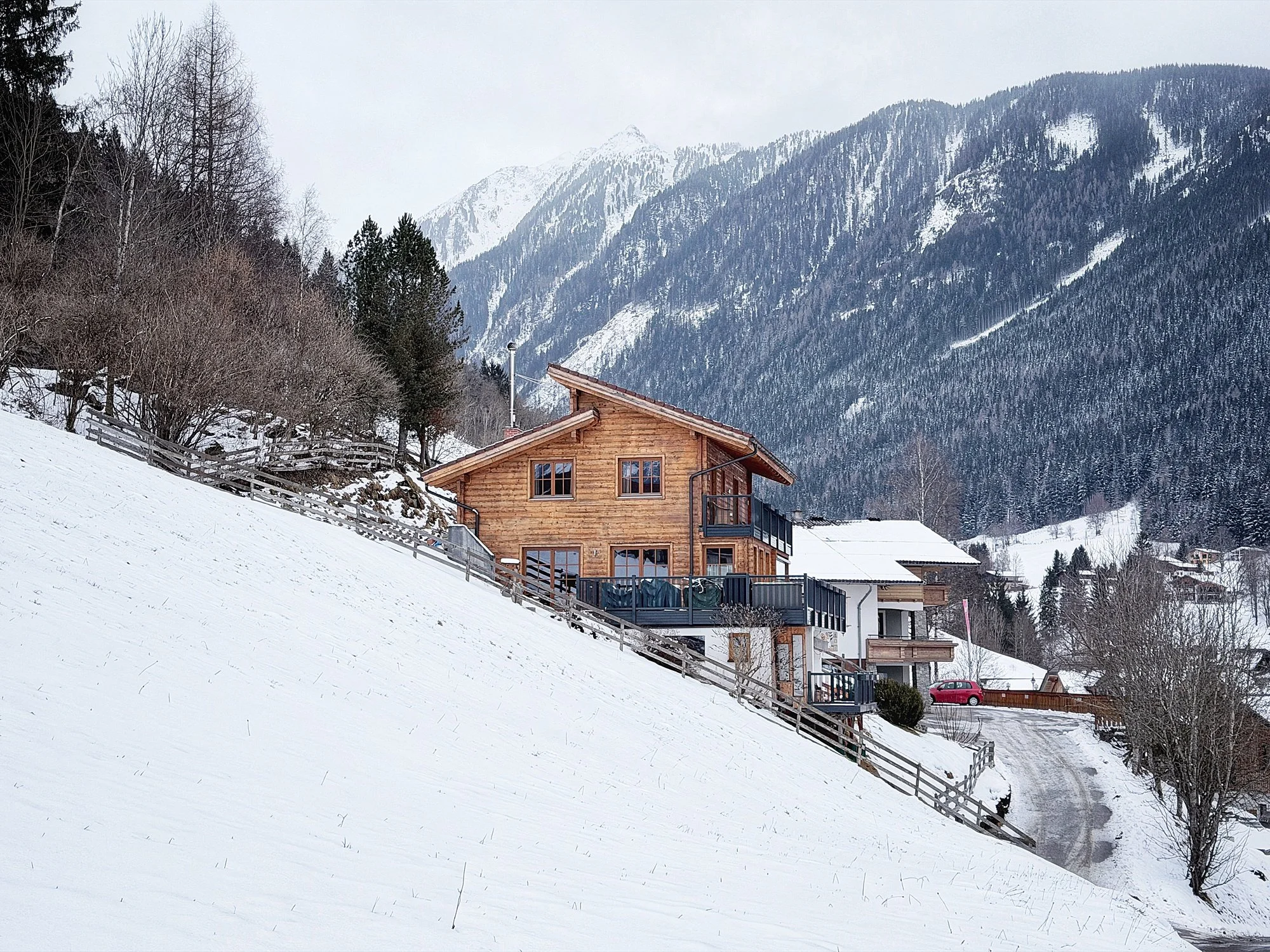
Sketchbook photographs made in Schladming, Austria, where I recorded this week’s show introduction.

VIDEO LIBRARY
The following videos or subjects are referenced within today’s show.
David Bellamy, mentioned within the show today.