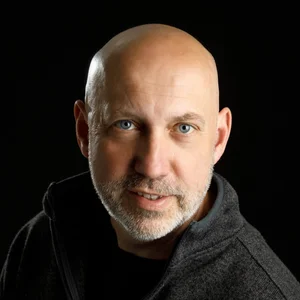
#531 “FAILING IS A BIG PART OF PHOTOGRAPHY, I LOVE TO FAIL!”
FEATURING PHOTOGRAPHER TIM RICE
This week’s guest is American photographer Tim Rice, whose career has covered everything from social photography and headshots to branding and commercial work, the sort of varied, real-world photography that has supported generations of working professionals behind the camera. Tim began his journey running a one-hour photo lab before the arrival of digital photography changed the industry almost overnight. Our conversation explores that transition, alongside his enduring affection for film, analogue processes, vinyl records, and cinema. In the first part of this extended conversation, we talk about photography’s changing landscape, craftsmanship, and the value of physical media in an increasingly digital world. We also discuss Tim’s upcoming photographic road trip across America’s “middle ground”, inspired by the observations and journeys of photographers Todd Webb and Robert Frank during the 1950s.
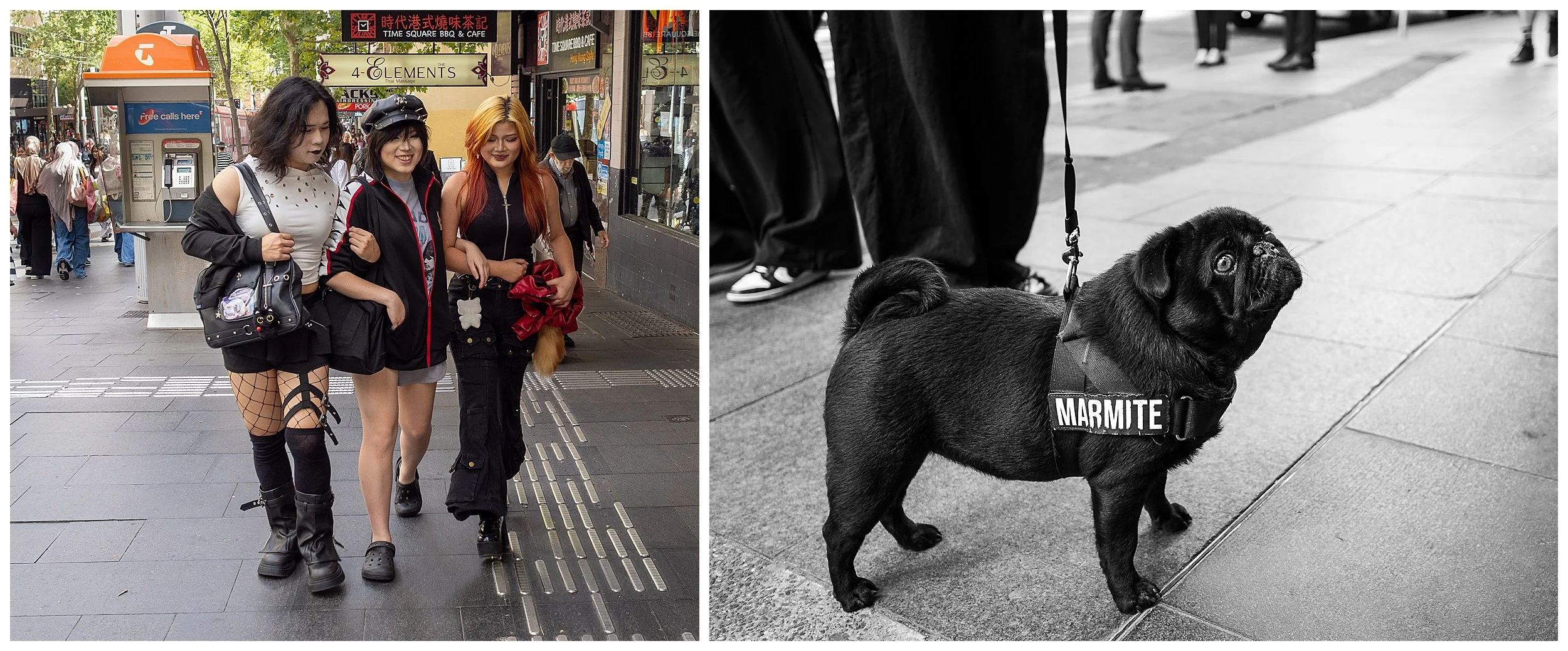
In this week's mailbag, R.J. Campbell reflects on a photograph of his father and on how certain pictures seem to take on more meaning as the years pass. The biscuit tin question produces a wonderfully inventive collection of answers, Kari Price writes in from Australia with a letter that somehow manages to connect macro photography, street observation, Honeybrown beetles and burnt Basque cheesecake, Kelvin Brown is tempting us with barge life and Dennis Muir reflects on the hidden realities of photography, including muddy parking spots and creaking joints.
Email your stories, thoughts, and pictures to the show. If you can optimize/resize photos to 2,500 pixels wide, that’s always much appreciated. If you’d like to support this show and have access to further content and the midweek Extra Mile show, we’d welcome you as an EXTRA MILER. There’s also our Facebook group, a safe place to meet and talk with photographers of all interests, the Photowalk YouTube channel, plus the show is featured on Instagram and Substack.
As well as our Extra Milers, we’re also supported by our friends at Arthelper.ai who make marketing easier, helps more people find your work, and keeps your voice true—so you can get back to what you love most: making art. Enter PHOTOWALK at checkout to receive 30 days of the pro version free.
PLEASE HELP TO BUILD OUR COMMUNITY BY SHARING THIS EPISODE TO YOUR FAVOURITE SOCIAL PLATFORMS

LEARN:
MORE ABOUT names, words, THE MUSIC and places FROM TODAY’S SHOW
A friendly reminder: The links on this page will take you to external websites and platforms, and while I only point you towards places I think are worth your time, I have no control over their content and can't be held responsible for whatever you find when you get there.
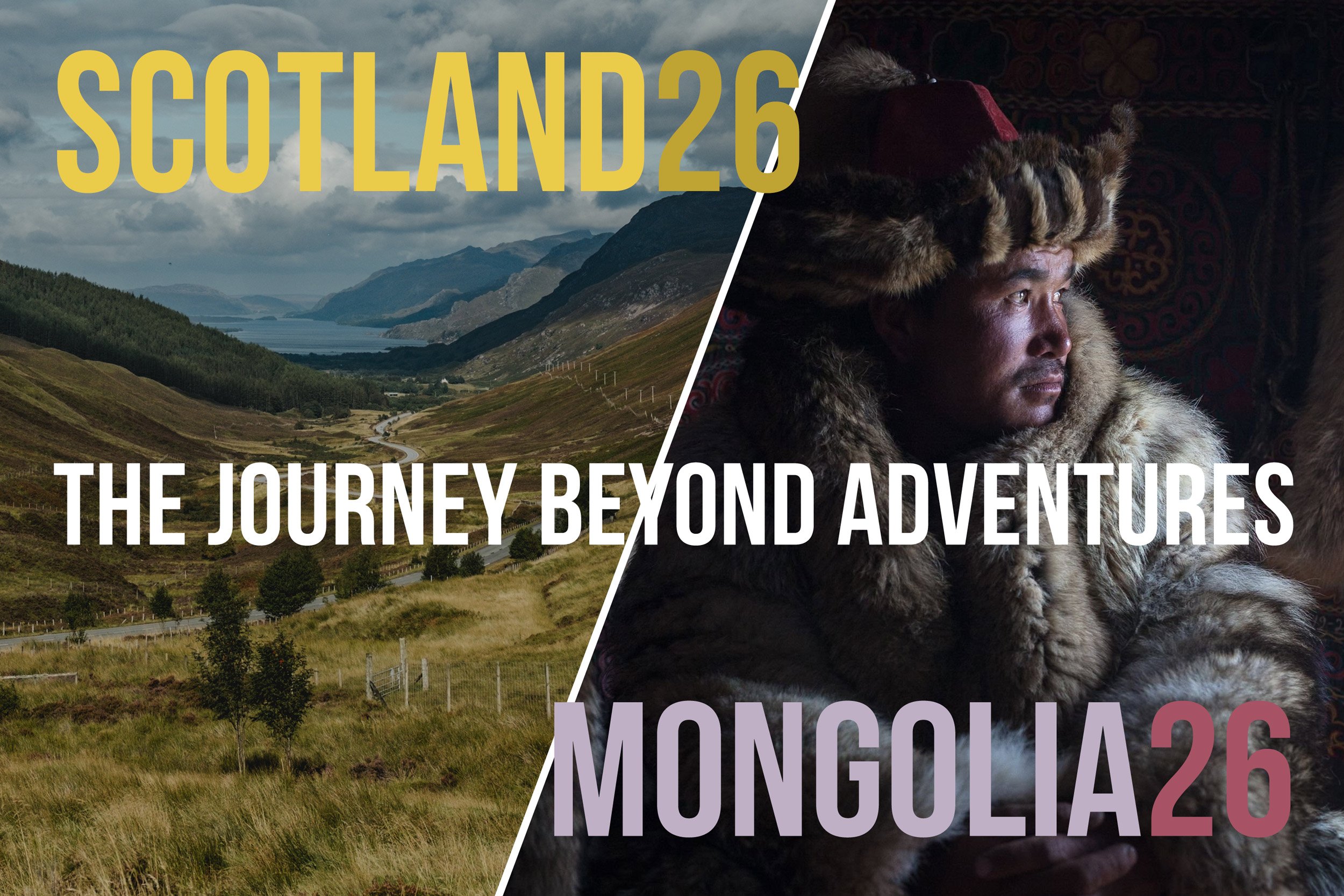
Join us on the Black Isle near Inverness for the Scotland ‘26 retreat, staying on a working soft-fruit farm with Highland views. The retreat includes small creative workshops, from photogravure printing to sound and writing sessions, plus plenty of time to walk, talk and make photographs together.
Enjoy HALFWAY TO MAYBE, Monday, Wednesday and Friday on your favourite podcast player apps: APPLE, SPOTIFY, AMAZON MUSIC, or by adding the RSS FEED to your podcast app of choice.
Robert Frank was a Swiss-born photographer and filmmaker whose 1958 book The Americans changed the direction of documentary photography. Travelling across the United States during the 1950s, Frank photographed diners, cars, funerals, race divisions and everyday life with a raw, unsentimental style that felt very different from the polished magazine photography of the time.
John Dolan is an American photographer whose work helped shift wedding photography away from stiff formal poses toward something more observational and emotionally honest. Over the past three decades, his photographs have appeared in publications including Martha Stewart Weddings and Harper’s Bazaar, and he’s become known for treating weddings less as an event to direct and more as human stories unfolding before him.
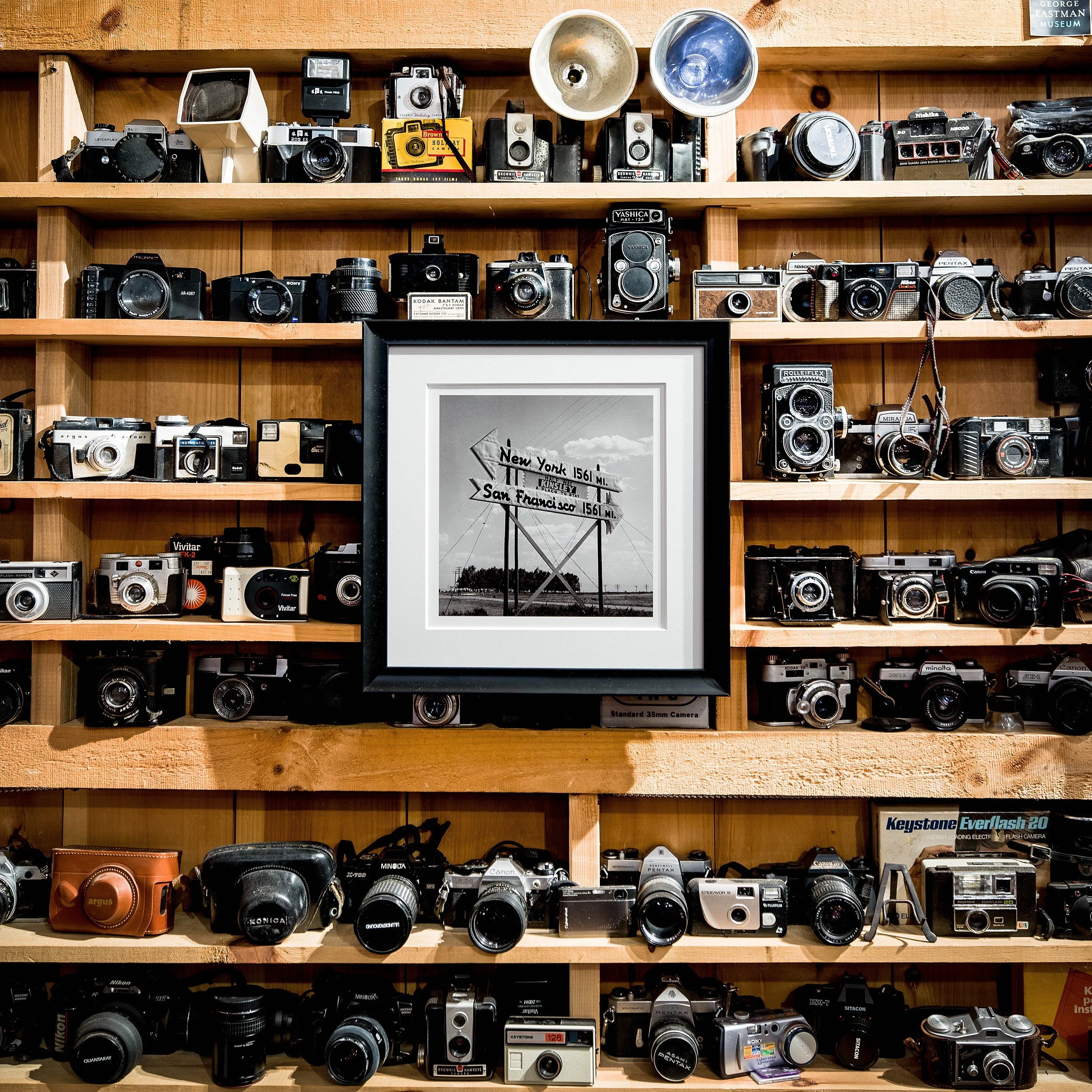
Tim Rice, today’s guest, references his ‘collection’, which is a wonderful museum of cameras, accessories, film, and lenses, some of which date back to the proverbial ark in terms of photographic time span. This will be next week’s focus discussion during part 3 of my chat with Tim.
The Pentax K1000 became one of the most widely used film cameras ever made, partly because it stripped photography back to the basics. Introduced in 1976, it was fully manual, solidly built and famously reliable, which is why generations of photography students learned exposure, focus and patience through its viewfinder rather than relying on automation.
Kodak was founded in 1888 by George Eastman and became one of the companies that shaped modern photography for ordinary people. For much of the 20th century, Kodak film, paper and cameras were woven into everyday family life, from holiday snapshots to historic moments, before the company faced major struggles during the shift from film to digital imaging.
Todd Webb was an American photographer best known for documenting everyday life in places such as New York, Paris and the American West during the mid-20th century. Working with a large format camera and tripod, He photographed ordinary streets, shopfronts and people with a calm, observant style that has become an important visual record of post-war America.
Kodak Tri-X is one of the most influential black and white films ever made, first introduced by Kodak in the 1950s. Known for its grain, contrast and ability to handle difficult light, it became a favourite of photojournalists, street photographers and documentary shooters who wanted photographs to feel immediate and alive rather than overly polished.
Brothers in Arms by Dire Straits became one of the defining albums of the early CD era. Released in 1985, it was heavily promoted as a showcase of compact disc sound quality, and for many people buying their first CD player, it was one of the very first albums they took home with it.
Cruising the Cut is the YouTube channel referenced on today's show. Are we edging ever closer to the Photowalk barge?
ASMR stands for Autonomous Sensory Meridian Response, a term used to describe the tingling, calming sensation some people experience when listening to certain sounds or voices. Whispered speech, gentle tapping, page turning, soft ambient recordings and careful personal attention are common triggers, which is why ASMR has become closely linked with podcasts, relaxation audio and online video culture.
THE BISCUIT TIN QUESTION: What would be the title of your photography autobiography? Send your thoughts to stories@photowalk.show
MUSIC LINKS: Echo LaRoux wrote today's playout song Justify. Music on the show is sourced primarily from Artlist and also features in Michael Brennan’s Spotify playlist GoFoto. For Apple Music users, follow this playlist.
Kelvin Brown’s flickr Photowalk inspired group - join by invite by clicking on to THIS LINK.
THE SHOWPAGE GALLERY
TIM RICE
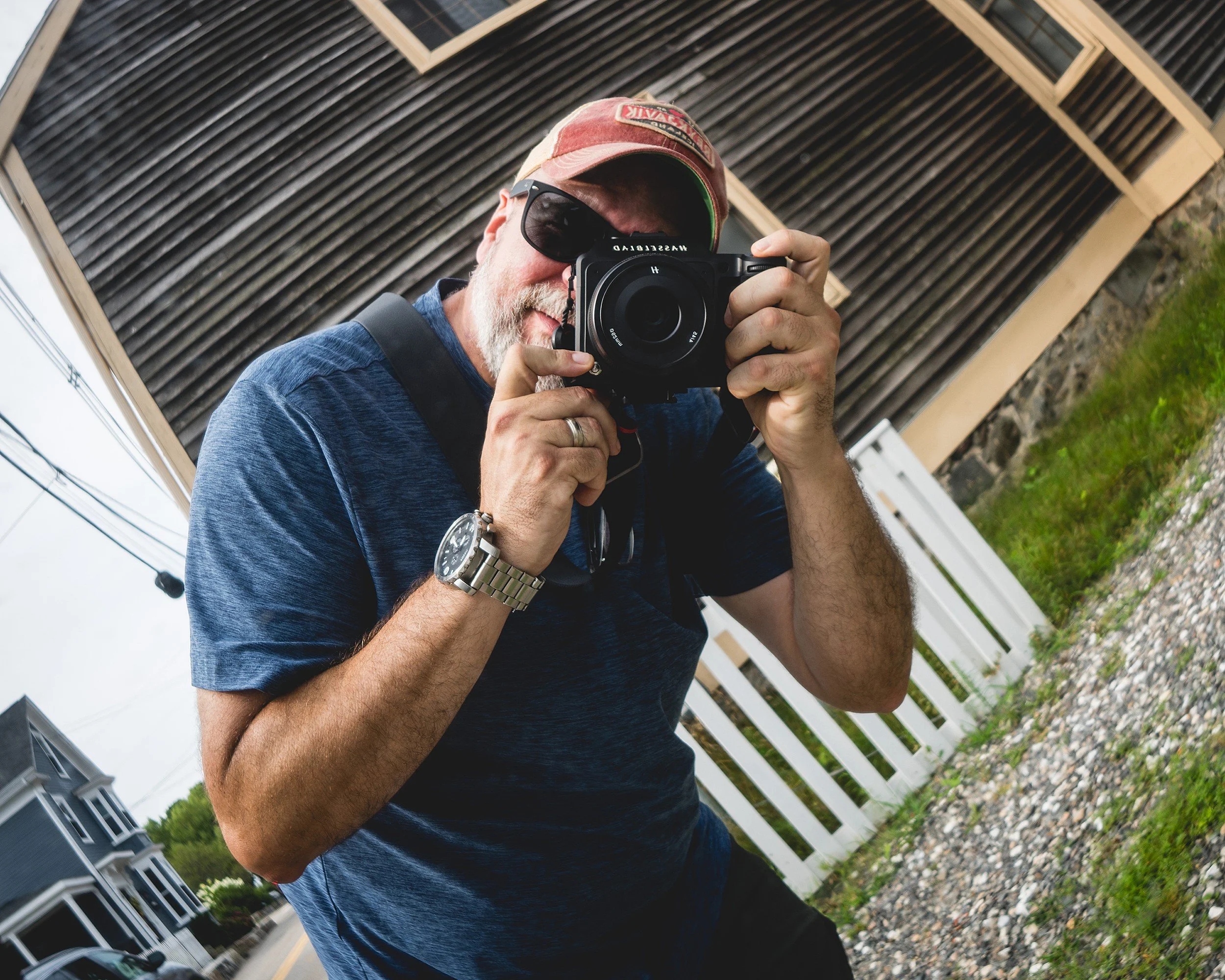
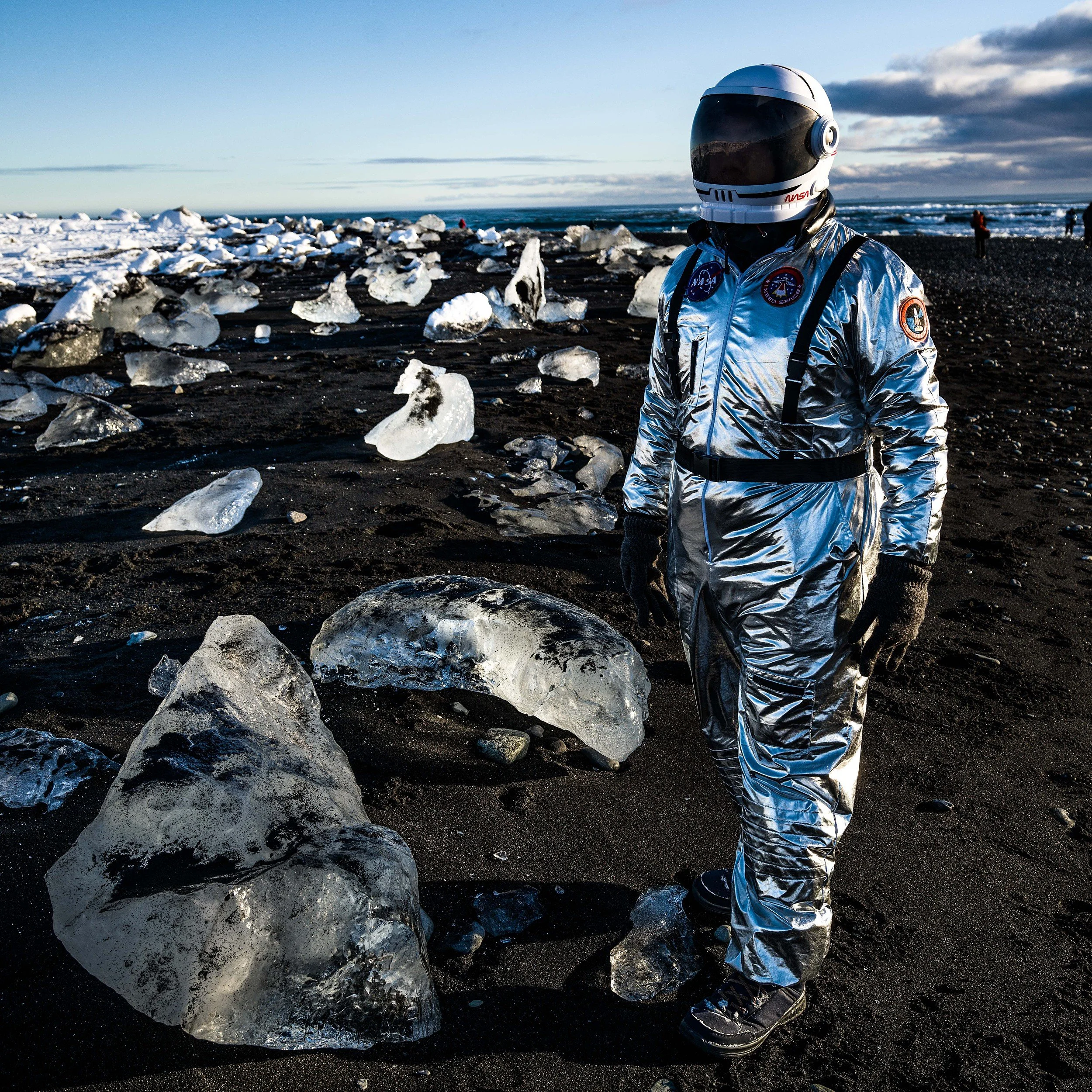
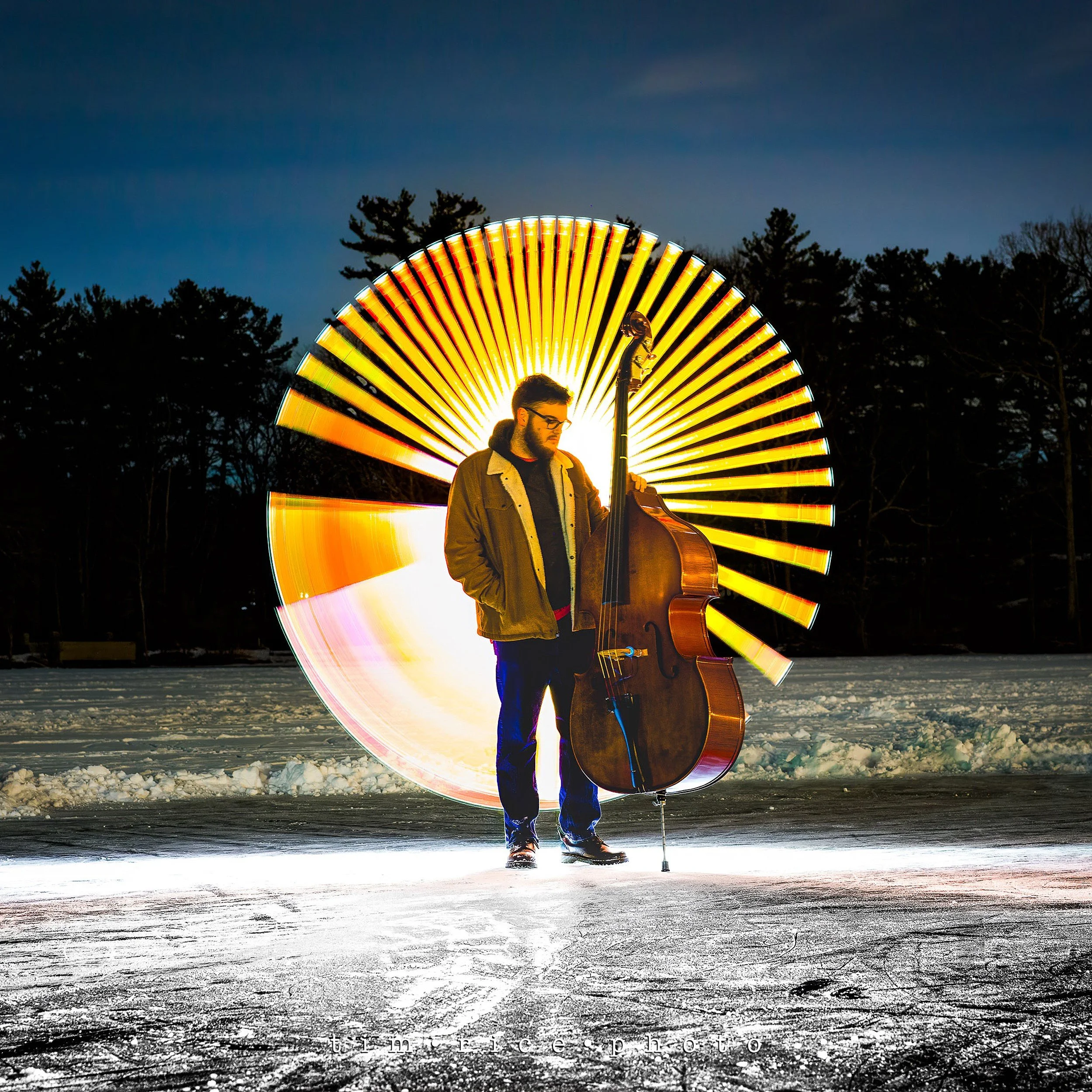
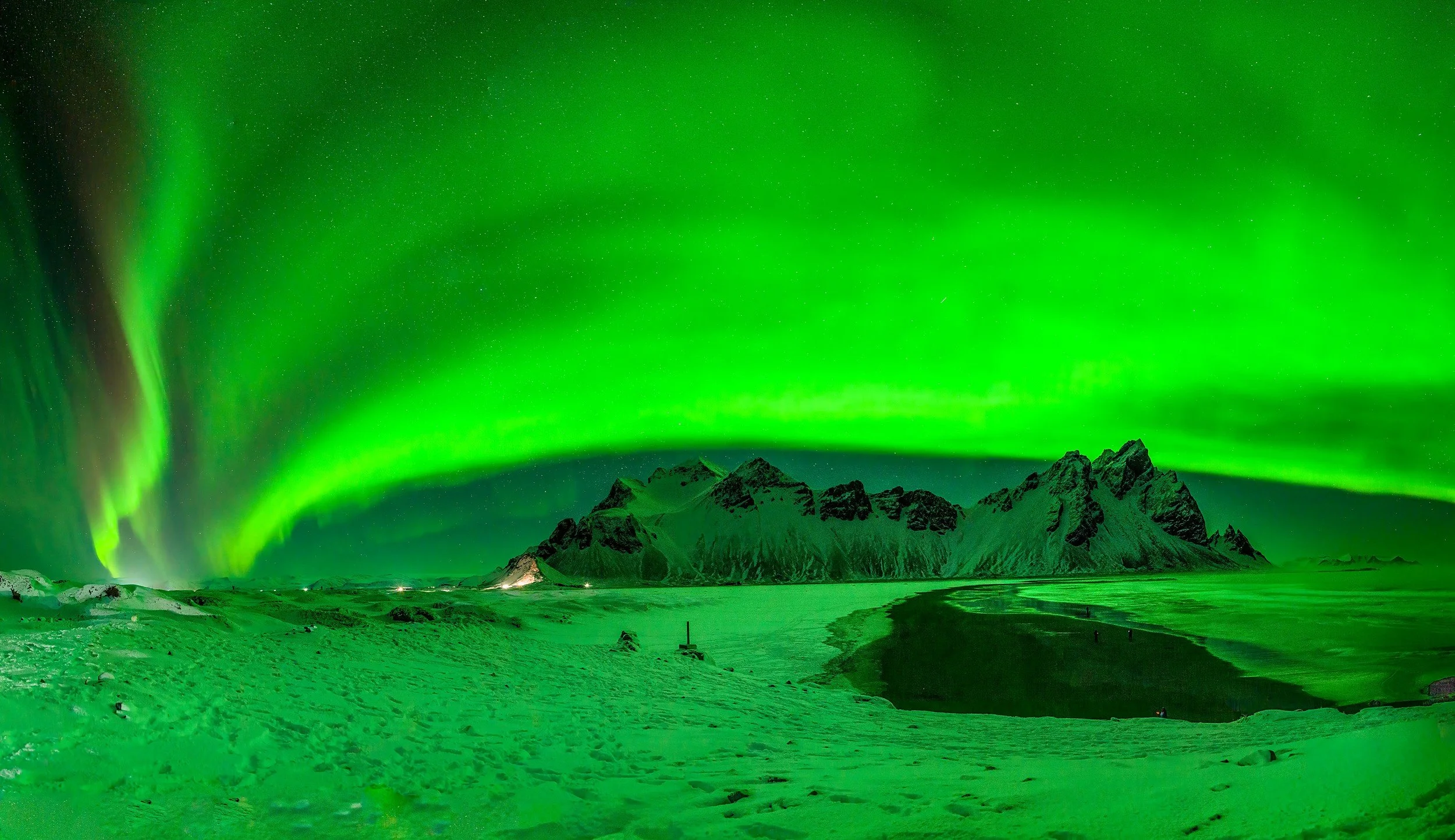
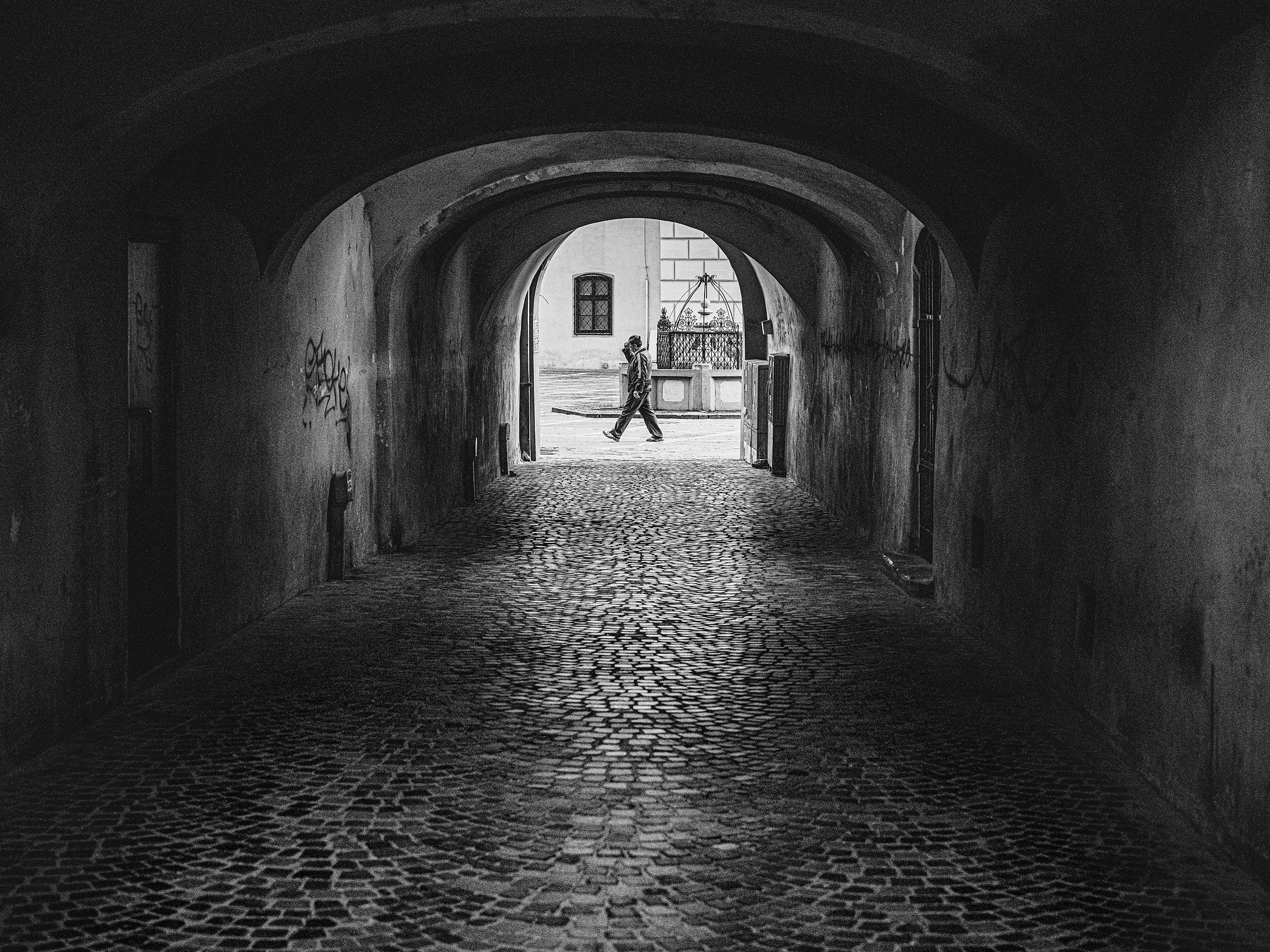
Tim Rice (above) is our guest today. See more of his photographs below.
RJ CAMPBELL
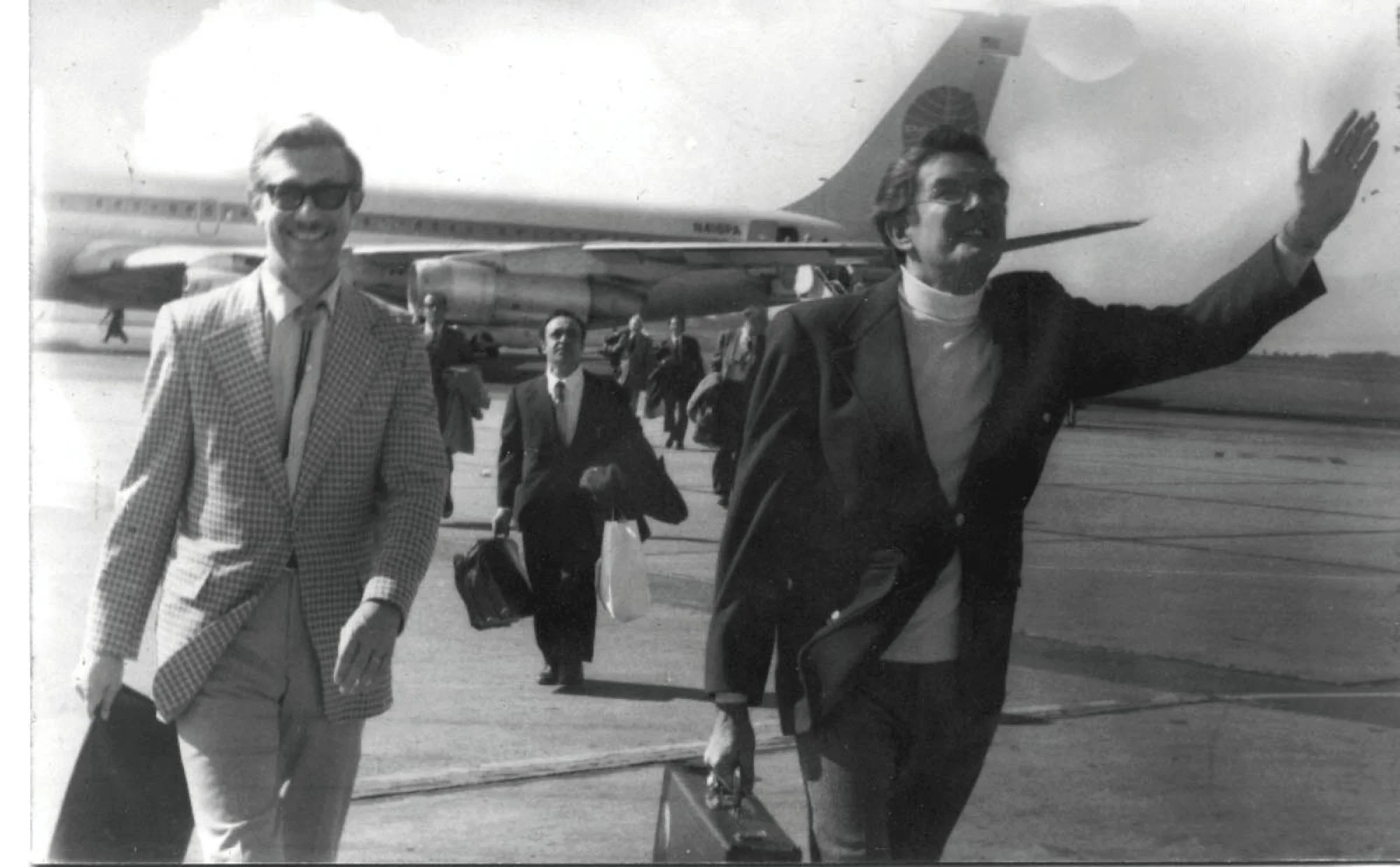
A chance photograph of R. J. Campbell’s father returning from Argentina in the late 1970s, captured beside a Pan Am aircraft on the tarmac at St. Louis.
KARI PRICE
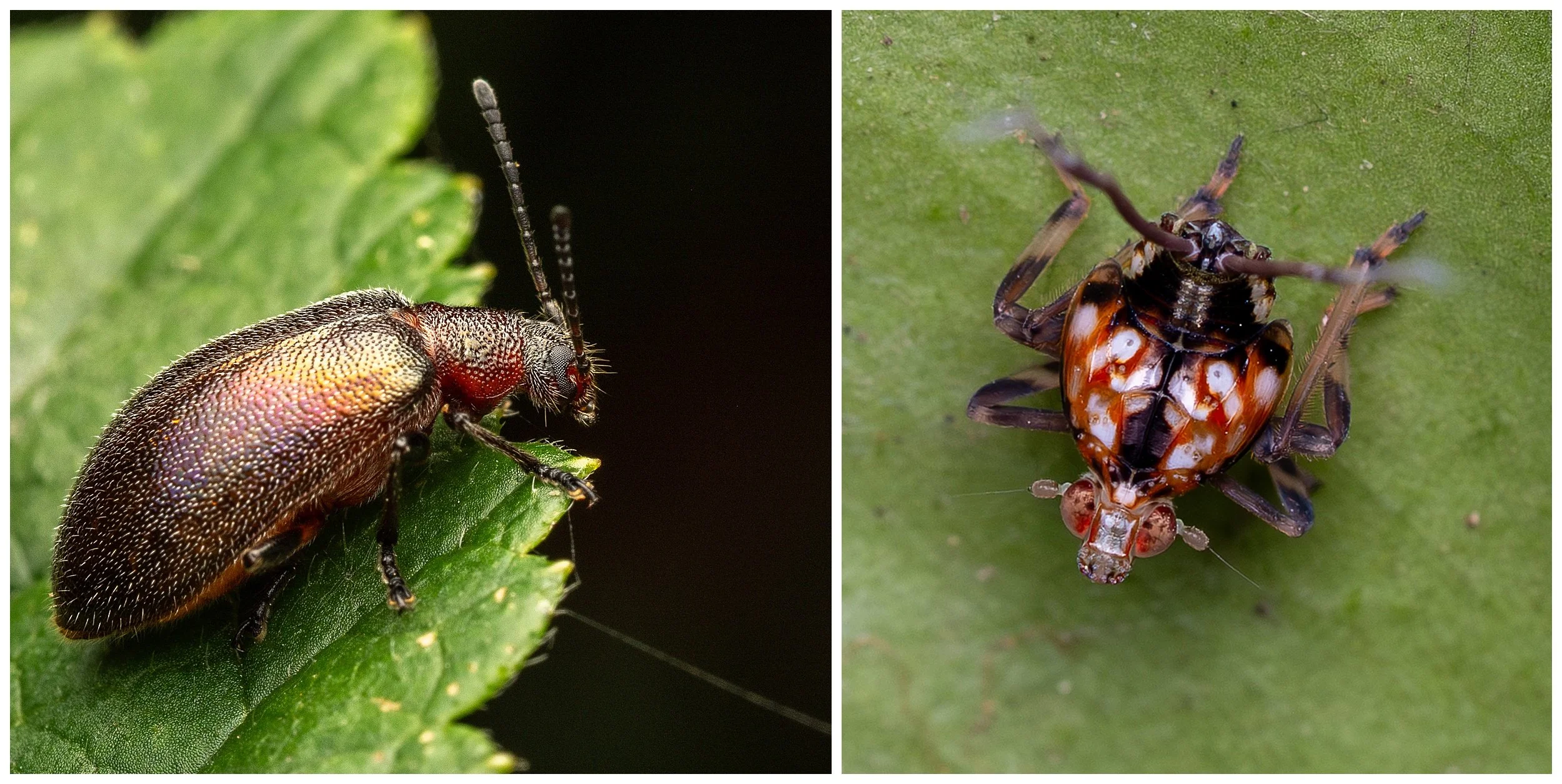
Kari takes in her community with macros and street views.
THOMAS BARTHOLOMEW
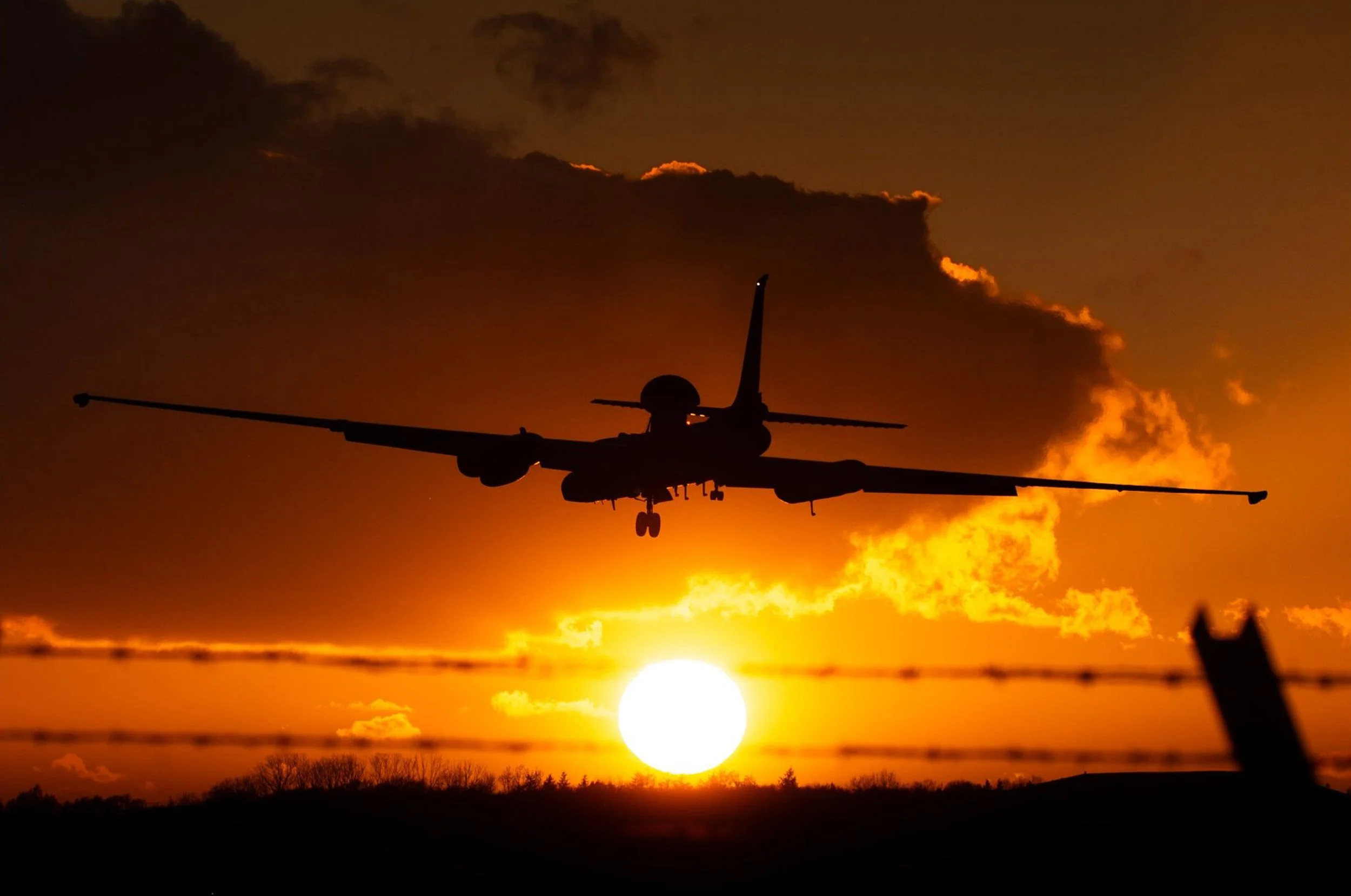
Photographs from ‘my youngest’ (U2 at sunset above).
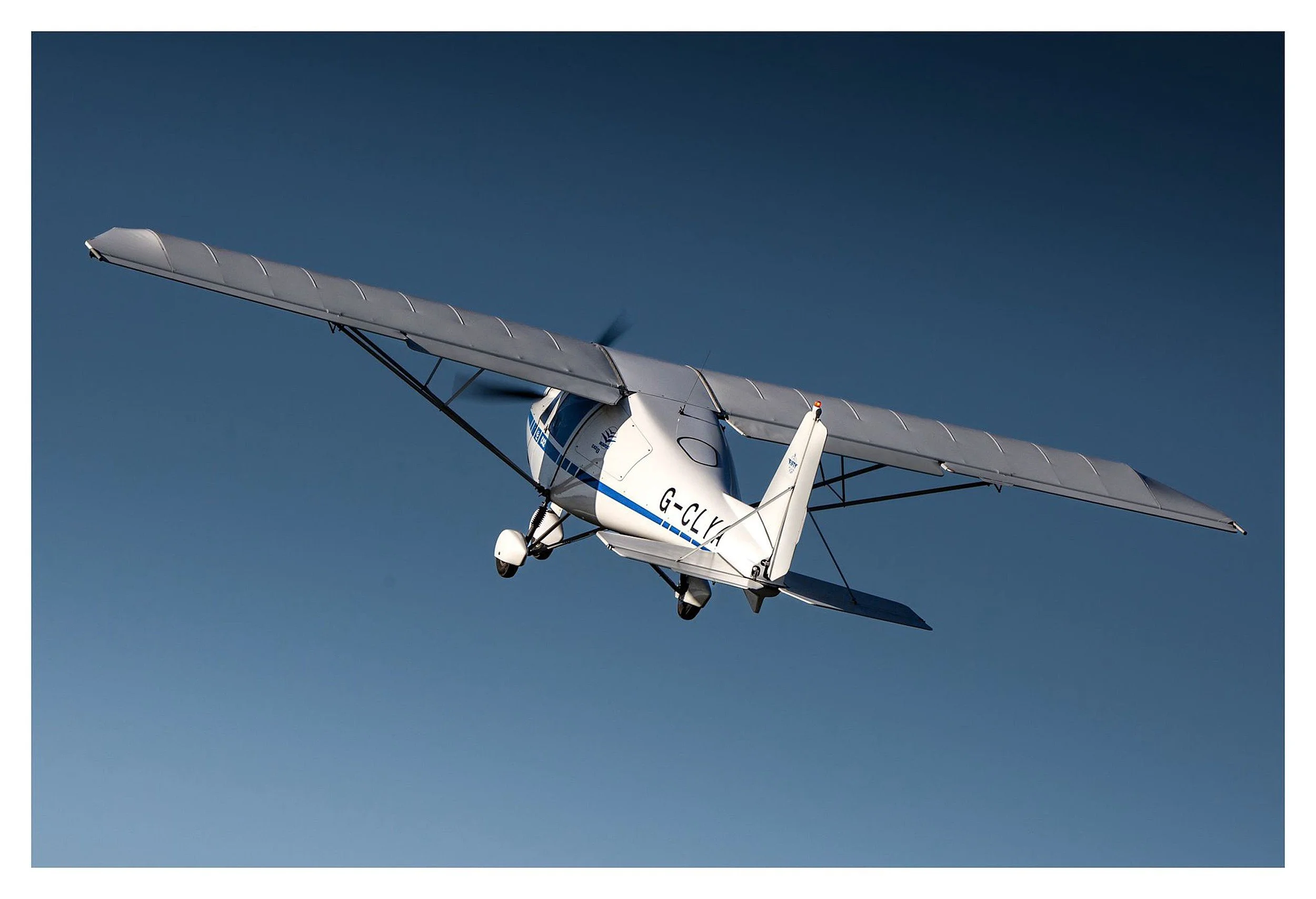
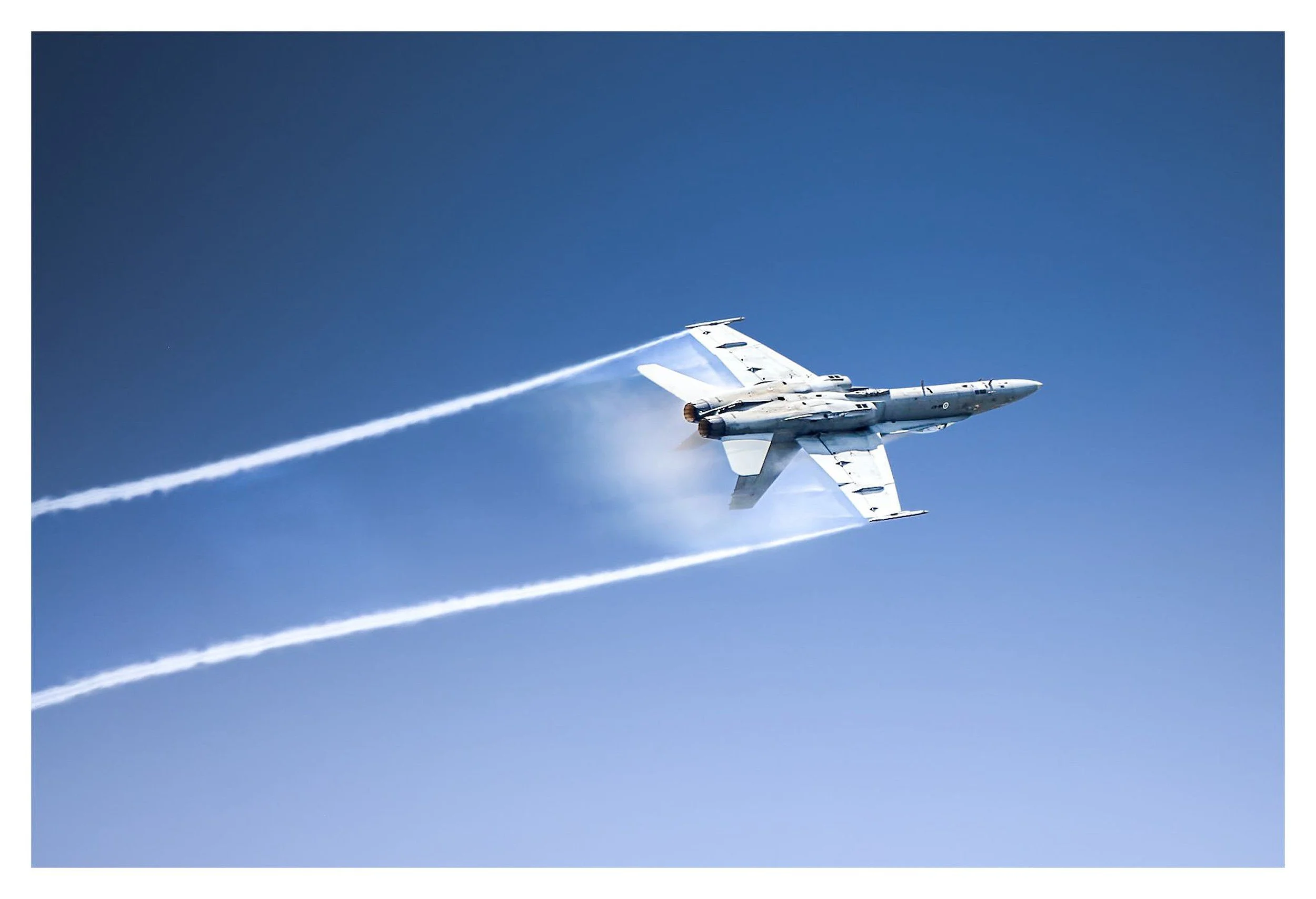
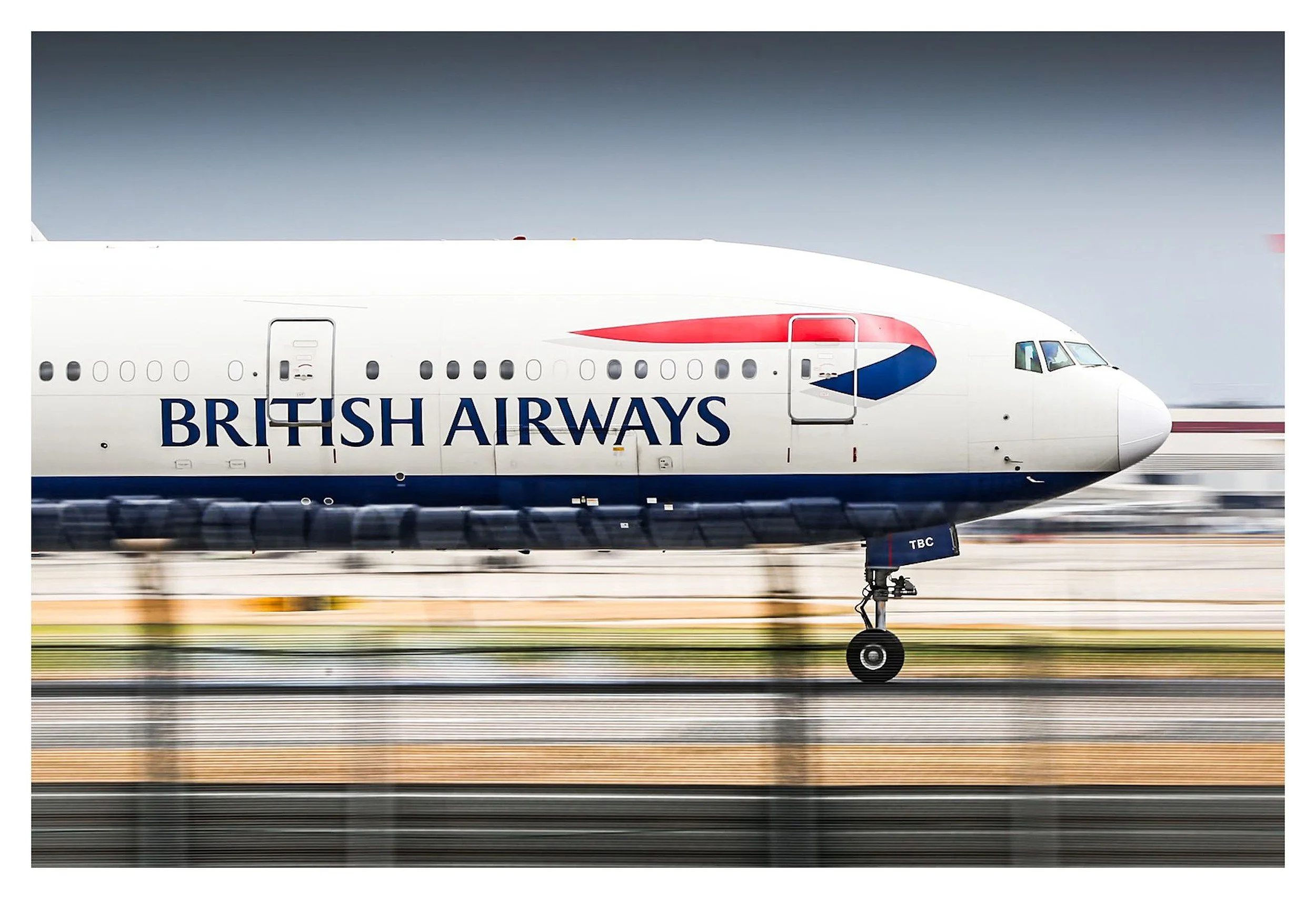
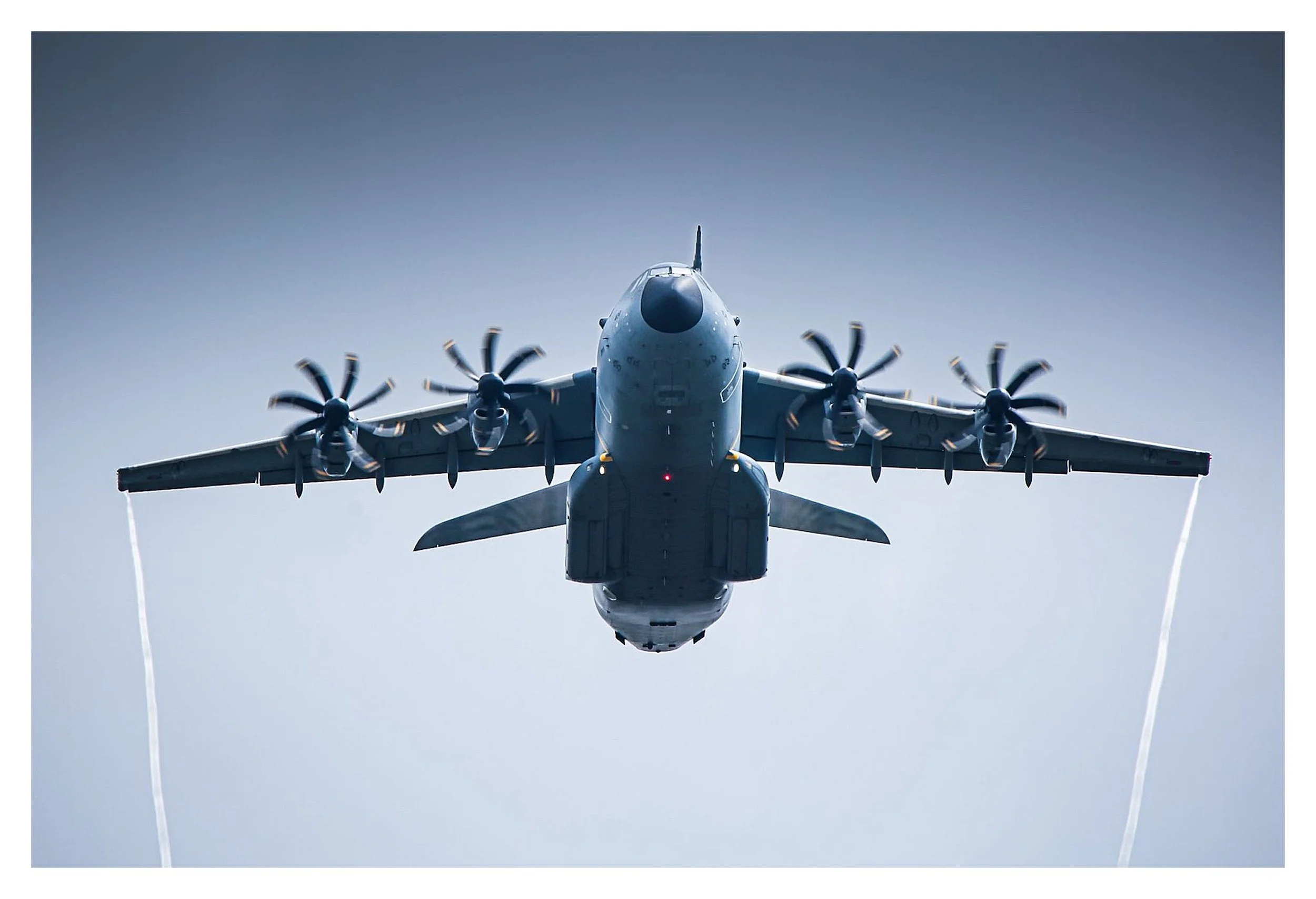
NEALE JAMES
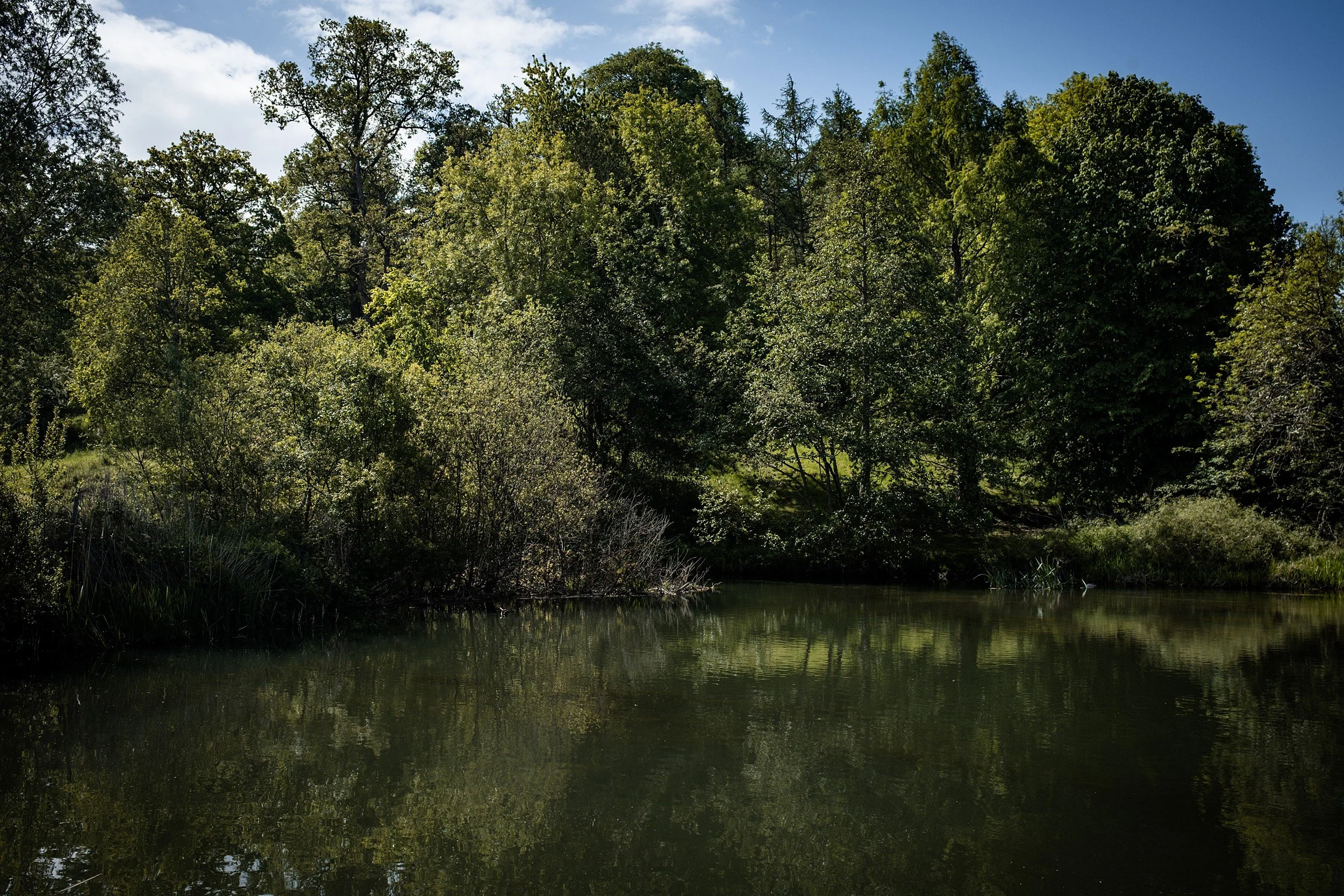
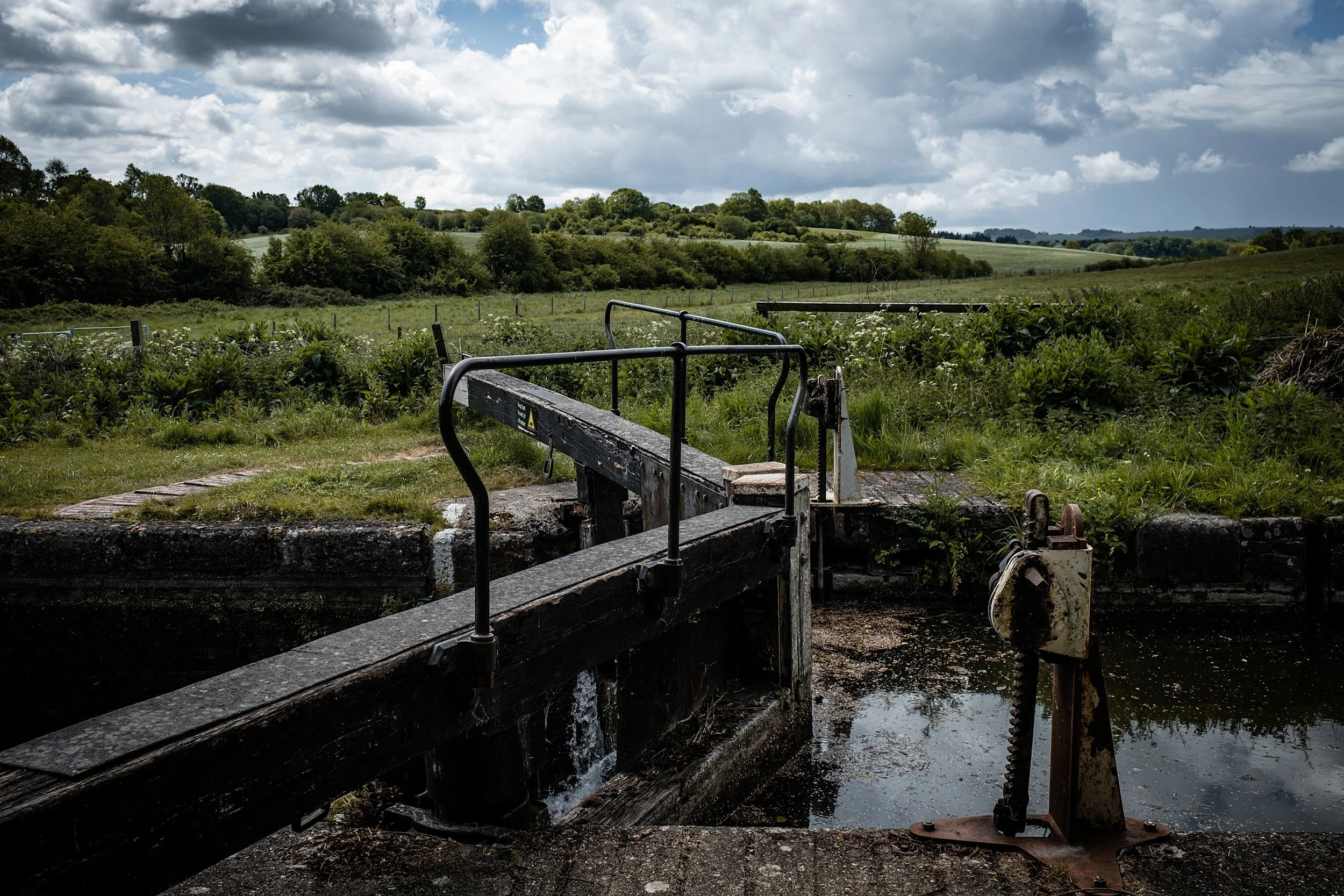
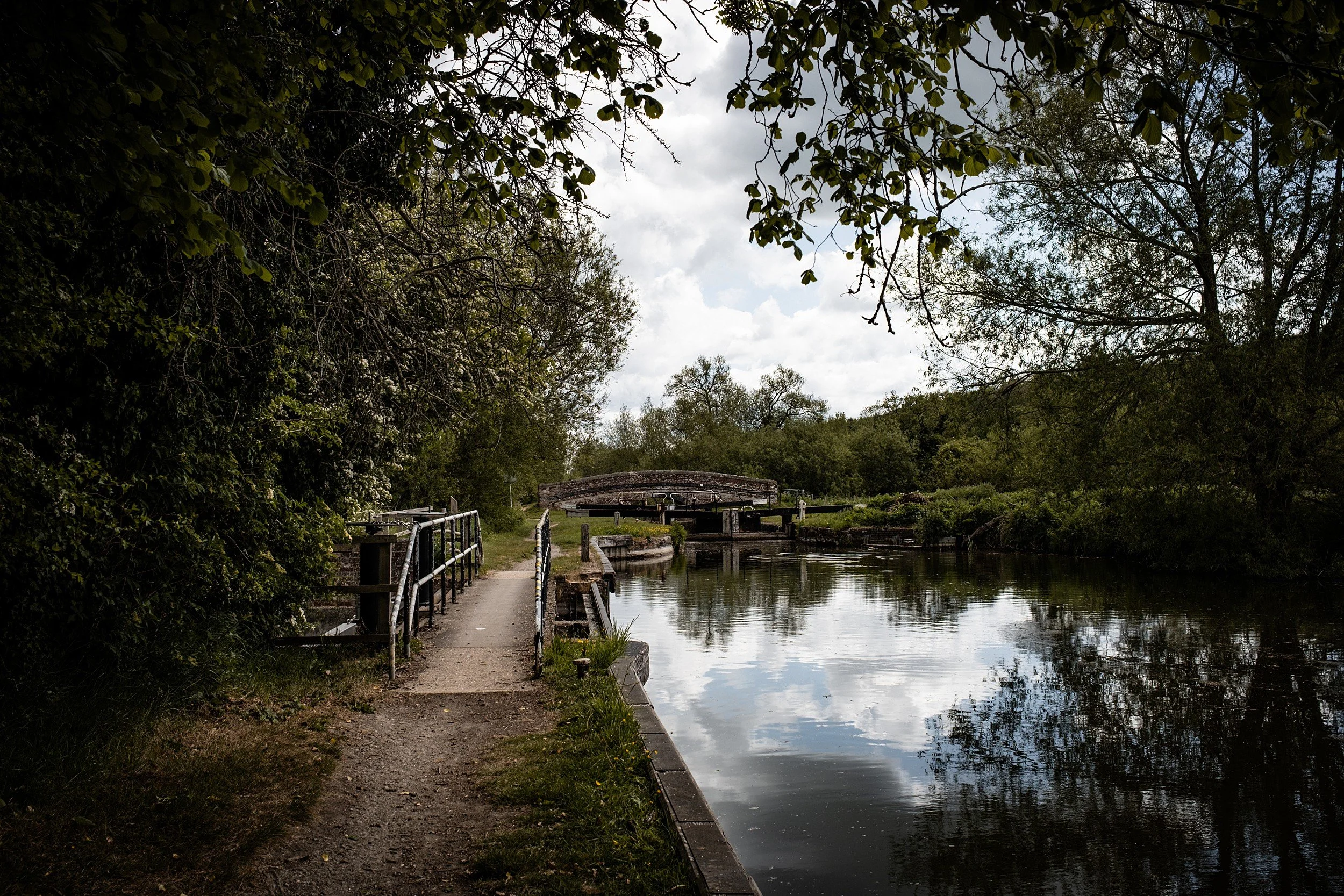
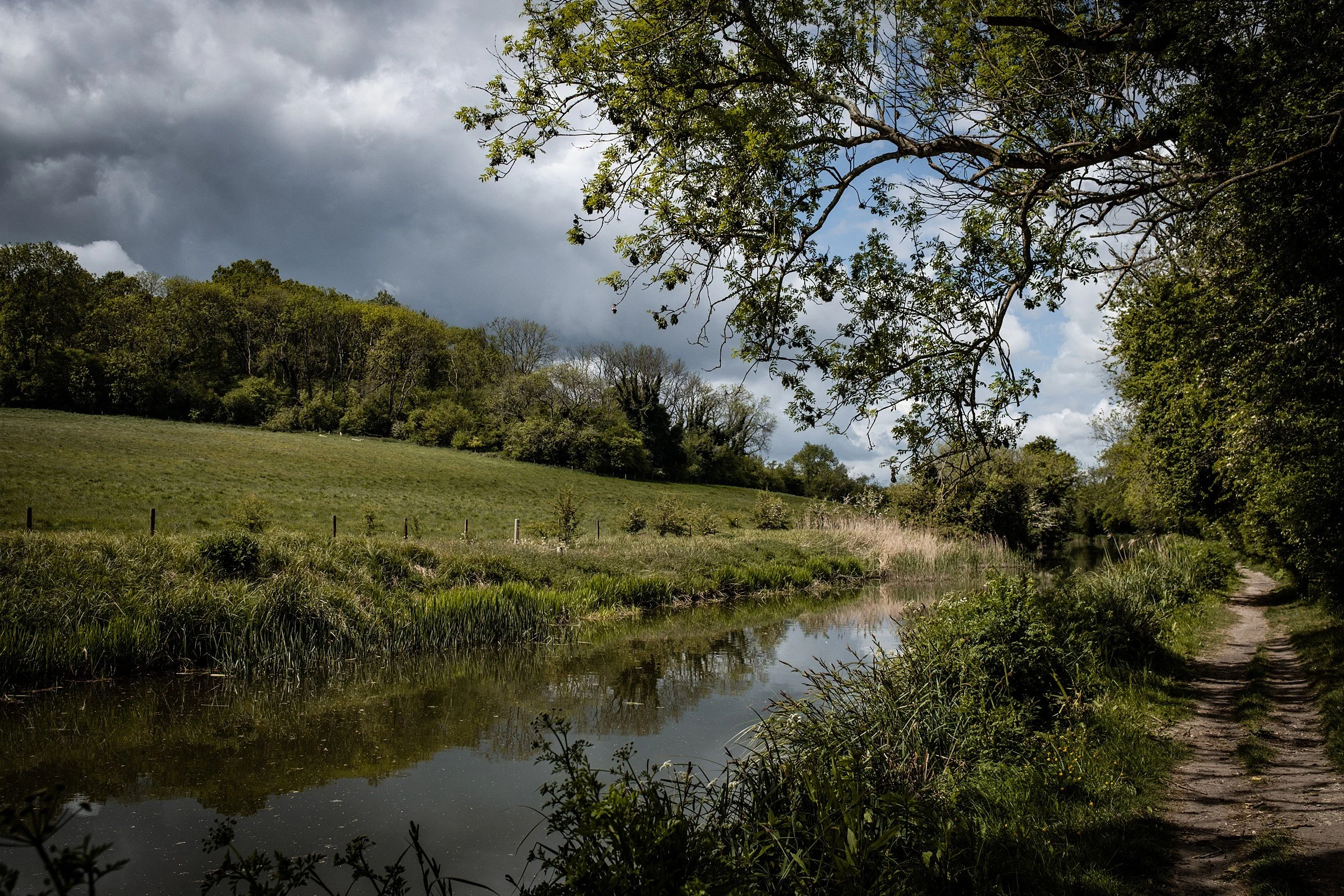
Photographs from the path during the Photowalk show recording today.

VIDEO LIBRARY
The following videos or subjects are referenced within today’s show.